Bubbles — signal by topic
size = articles (7d) · editorials by Cayce133 articles in security — bigger & brighter = stronger signal

Liquid Network restores full bitcoin backing following $320 million exploit
The Liquid Network has confirmed that its bitcoin reserves have been fully re-established following a significant $320 million exploit that occurred in September. The necessary funds to restore the complete backing of bitcoin assets on the network were provided by Blockstream, a prominent company closely associated with the Liquid Network's development and operation. This restoration indicates the resolution of the security incident and ensures the continued solvency and integrity of the Bitcoin-backed sidechain.
Liquid Network Restores Full Bitcoin Backing Two Months After $320M Exploit
The Liquid Network, a notable Bitcoin sidechain, has successfully restored its full Bitcoin backing, two months following a significant exploit that resulted in a loss of approximately $320 million. Blockstream CEO Adam Back confirmed the completion of these recovery efforts, emphasizing that the sidechain's security infrastructure has undergone substantial improvements and its defenses have been significantly hardened. In a related warning, Back advised developers to exercise caution and avoid blindly trusting fixes or recommendations generated by artificial intelligence, underscoring the need for human vigilance and thorough verification in critical system development.

Liquid’s bitcoin IOUs are fully backed again after a $320 million exploit
The Liquid Network, a prominent Bitcoin sidechain, has successfully resolved the aftermath of a significant $320 million exploit that occurred in September. The incident had caused the network's L-BTC tokens, which represent bitcoin IOUs, to become unbacked. A final transfer of 250 BTC has now been completed, effectively closing the deficit and ensuring that all L-BTC are once again fully backed on a 1:1 basis with actual Bitcoin. However, the federation overseeing the Liquid Network has not yet revealed the identity of the party or parties who provided the necessary funds to cover the substantial hole created by the security breach.
Cashu Nutshell 0.22.0: BIP-39 mint seeds, caching without Redis & security fixes
Bitcoin Lightning's security fixes still missing from 71% of flagged nodes

Seed Phrase Storage Mistakes Beginners Make
Seed phrases are crucial for recovering access to Bitcoin funds in self-custody, yet beginners frequently make storage errors that jeopardize their assets. Common pitfalls include storing seed phrases in insecure digital formats like cloud services or emails, leaving them vulnerable to cyberattacks. Physical storage mistakes range from using easily accessible notebooks or sticky notes to neglecting redundant backups. A lack of consideration for natural disasters or theft further compounds these risks. Best practices emphasize secure, offline, and durable physical storage across multiple geographically diverse locations, often utilizing metal plates or encrypted vaults. Understanding these mistakes and implementing robust storage solutions is paramount for Bitcoiners to maintain sovereignty and prevent irreversible loss of their holdings, ensuring long-term security.

Binance taps half its SAFU Bitcoin holdings, releases reserve proof
The article reports that Binance has significantly reduced the Bitcoin holdings in its Secure Asset Fund for Users (SAFU) wallet. Following a transfer of approximately 7,499 BTC related to a past hack, the SAFU wallet now holds around 7,500 BTC. This move indicates that a substantial portion—roughly half—of the fund's Bitcoin assets has been utilized or moved in connection with addressing the aftermath of the security breach. The article highlights that there is currently no disclosed timeline for when the SAFU fund, originally valued at $1 billion, will be fully replenished or restored to its original capacity. This event prompts questions about the ongoing liquidity and solvency measures of the exchange, particularly concerning its ability to cover potential future losses for users, despite releasing reserve proof.
BTCPay Tells Merchants to Switch Off Servers Amid Hot Wallet Attack Reports
BTCPay Server, a widely used open-source Bitcoin payment processing software, has issued a critical security advisory urging merchants to shut down their servers temporarily. The alert stems from confirmed reports of active hot wallet attacks specifically targeting versions 2.4.1 and older of the software. This urgent warning comes just days after BTCPay Server had released an emergency patch designed to fix a separate critical vulnerability. The attacks suggest that malicious actors are actively exploiting known weaknesses in these outdated versions to compromise hot wallets, which typically store smaller amounts of Bitcoin for day-to-day operational use. Merchants utilizing BTCPay Server are strongly advised to update their installations to the very latest version without delay to safeguard their funds and mitigate the risk of exploitation. This incident highlights the critical importance of maintaining current software versions and adhering to robust security protocols within the Bitcoin ecosystem, especially for platforms handling financial transactions.
BTCPay Server SECURITY ADVISORY
BTCPay Server warns of hot wallet thefts running on outdated software
BTCPay Server has issued an urgent security warning to its operators, advising them to immediately shut down their servers. This critical alert follows confirmed reports of unauthorized attackers successfully compromising hot wallets and subsequently draining funds. The vulnerability appears to target instances of BTCPay Server that are running on outdated software. Operators are strongly urged to take swift action to prevent potential financial losses and safeguard their Bitcoin holdings by either updating their systems or temporarily ceasing operations until the issue is resolved.

Strangers are begging the Binance hacker for bitcoin, one ‘help me bro’ at a time
Nineteen digital wallets, collectively holding a substantial 18,270 stolen Bitcoin, have recorded no outward transactions since Thursday. However, these wallets have been the sole recipients of numerous small inbound payments, each valued at less than one dollar. A notable characteristic of these micro-transactions is that each one contains an embedded message, with content varying from desperate pleas for financial assistance to proposals for laundering the stolen funds, and even attempts to promote various other digital tokens to the hacker.

BTCPay, a bitcoin payment tool, tells users to switch off their servers after reports of drained wallets
BTCPay Server, a prominent open-source payment processing tool for Bitcoin, has issued a critical advisory to its user base, urging them to immediately power down their servers. This urgent recommendation follows a series of reports from users who have experienced their wallets being drained. The project's team is actively investigating the incidents, but as of now, no official figures regarding the total losses have been released, nor has a definitive fix been announced. The founder of BTCPay Server indicated that the reported security compromises appear to specifically impact versions of the software older than 2.4.2.
Spot bitcoin ETFs see largest daily outflows in four months following record Binance hack
1d
BTCPay Server Urges Shutdown After Reports of Hot-Wallet Sweeps | The Defiant
BTCPay Server, a leading open-source Bitcoin payment processor, has issued a critical security advisory urging its users to immediately shut down their servers. The urgent recommendation follows confirmed reports of "hot-wallet sweeps," indicating an active exploit or vulnerability allowing unauthorized transfers of funds from BTCPay Server instances. This alert directly impacts businesses and individuals who rely on the platform to accept Bitcoin and manage their transactions. While the full extent and technical details of the vulnerability are under investigation, the immediate advice underscores a significant threat to hot wallets connected to the affected servers. Users are strongly advised to comply with the shutdown directive, move any accessible funds to secure cold storage solutions, and diligently monitor official BTCPay Server communication channels for further updates, patches, and specific remediation steps before reactivating their services. This incident highlights the ongoing importance of robust operational security practices within the self-hosted Bitcoin ecosystem.
Bitcoin ETF Investors Head for the Exits After Record Binance Hack
2d
Wrench Attack Sentencing
The provided content for this article is limited to 'Comments,' making it challenging to summarize the main narrative of the 'Wrench Attack Sentencing.' However, based on the title, the article discusses legal proceedings related to a 'wrench attack,' a term in the Bitcoin community denoting physical coercion to extract private keys or Bitcoin holdings. Such incidents highlight critical physical security vulnerabilities for Bitcoin holders. The comments section likely contains discussions surrounding the sentencing's implications for personal security, operational security (opsec) best practices, and the broader legal framework concerning digital asset theft through physical violence, reflecting community concerns about safeguarding self-custodied Bitcoin.
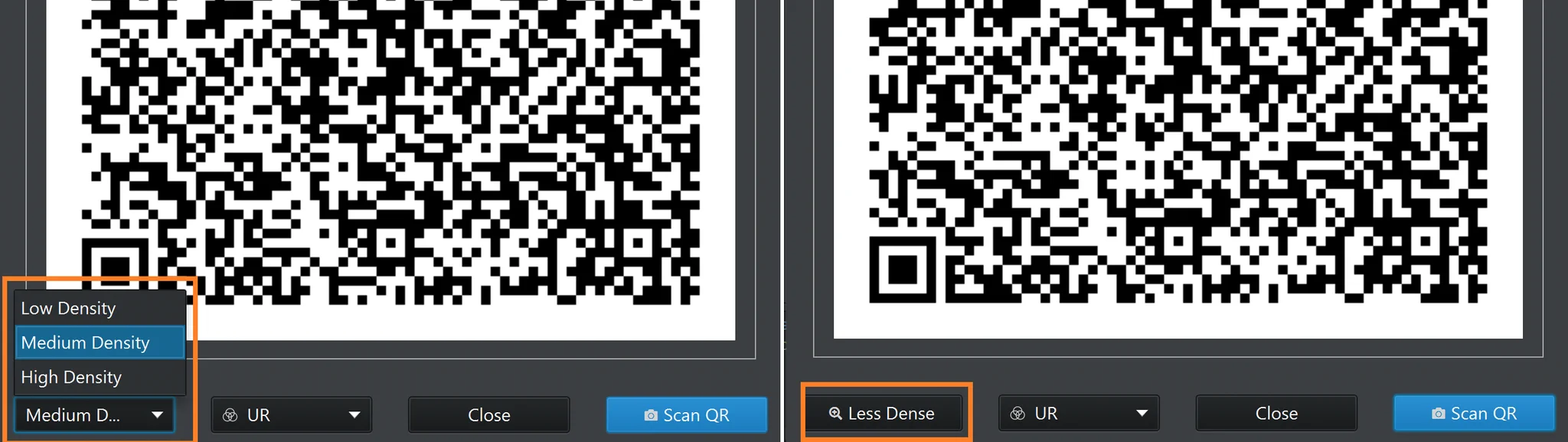
Sparrow Wallet 2.5.6 ➜ Mejoras en códigos QR
The article, though truncated, announces the release of Sparrow Wallet version 2.5.6. This update specifically focuses on "Mejoras en códigos QR," or improvements to QR codes. These enhancements likely aim to improve the user experience when scanning or displaying Bitcoin addresses, partially signed Bitcoin transactions (PSBTs), or other relevant transaction data. As Sparrow Wallet is a popular desktop application for advanced Bitcoin users, known for its robust features for privacy, security, and hardware wallet integration, updates to its interface components like QR codes are significant for usability and operational security. Such improvements could involve better scanning accuracy, support for new QR code formats, or enhanced visual clarity, ultimately streamlining the process of sending and receiving Bitcoin or signing complex transactions.
RoboSats v0.8.8-alpha: Garage Key, encrypted Nostr chat, and security fixes
RoboSats has released v0.8.8-alpha, an update packed with features aimed at enhancing the privacy, security, and user experience of its non-KYC Bitcoin Lightning exchange. A standout new feature is "Garage Key," which provides users with persistent session IDs without requiring the storage of personal data in browser history or cookies. This innovation significantly boosts user privacy by making sessions less trackable while maintaining convenience for returning traders. Furthermore, the update integrates encrypted chat functionality powered by Nostr, a decentralized social protocol. This allows users to communicate securely and privately during peer-to-peer trade negotiations directly within the RoboSats platform, reducing reliance on third-party messaging services and fortifying user anonymity. The release also includes critical security fixes, addressing various vulnerabilities to strengthen the platform's overall resilience and protect user funds and data. These developments collectively underscore RoboSats' commitment to providing a robust, private, and censorship-resistant marketplace for Bitcoin exchange on the Lightning Network, aligning with core Bitcoin principles of financial sovereignty and personal privacy.

Bitcoin turns 18: Has the original rebel grown up?
3d
A Nasdaq-listed company may sell $450 million bitcoin, citing Binance hack and quantum fears
Nasdaq-listed Next Technology Holding is contemplating the sale or loan of a significant portion of its Bitcoin treasury, specifically 5,833 BTC, which is valued at approximately $450 million. The company's authorization for these potential transactions stems from an evaluation of critical risks within the broader cryptocurrency landscape. Key factors influencing their decision include generalized concerns about exchange security, specifically referencing incidents like the Binance hack. Additionally, the company cited long-term, theoretical risks posed by quantum computing as another reason for reassessing their Bitcoin holdings strategy. Next Technology Holding clarified that despite citing the Binance hack as an example of exchange vulnerabilities, none of its substantial Bitcoin reserves are, or were, held on Binance.

Bitcoin stolen from Binance tops Tesla’s holdings and is over twice El Salvador’s reserve
A significant Bitcoin theft from Binance involved 18,270 BTC, valued at approximately $1.4 billion. This stolen amount is noteworthy as it exceeds Tesla's Bitcoin holdings and is more than twice the reserve held by El Salvador. The haul also comes within 442 coins of SpaceX’s publicly disclosed Bitcoin holdings. Blockchain investigators have attributed this large-scale security breach to North Korea.
Frog put the keys in the HSM "There" he said "now we cannot leak the private key

URGENT: Patch your nodes to be safe from crtical vuln
Urgent Patch - CVE-2026-98432 - LND 0.21.6-beta
The article announces an urgent security patch, identified as CVE-2026-98432, for LND (Lightning Network Daemon) version 0.21.6-beta. This signifies the discovery and remediation of a critical vulnerability within this specific beta release of a core implementation for the Bitcoin Lightning Network. Users who are currently running LND 0.21.6-beta are strongly advised to update to the newly patched version without delay to protect against potential exploits related to the identified common vulnerability. This highlights the continuous and critical work involved in maintaining the security, stability, and integrity of the Bitcoin scaling infrastructure, ensuring the resilience of the Lightning Network.
loading payment rails…