Bubbles — signal by topic
size = articles (7d) · editorials by Cayce127 articles in security — bigger & brighter = stronger signal

Binance hacker splits $1.4 billion of bitcoin into 19 wallets that no one can freeze
A hacker implicated in the Binance security breach has moved and split a substantial sum of Bitcoin, approximately $1.4 billion, which amounts to 18,270 BTC. These funds have been distributed into 19 distinct wallets. A detailed blockchain analysis conducted by CoinDesk reveals that 17 of these wallets individually hold exactly 1,000 BTC each. The article highlights that these assets remain beyond the reach of any external freezing attempts, underscoring Bitcoin's inherent censorship-resistant property. As of the time of the report, these divided coins have not undergone any further movement since Thursday night, indicating a period of dormancy in the hacker's activity following the initial distribution.

Bitcoin Optech Newsletter #429
Bitcoin Optech Newsletter #429 covers a new protocol for silent payment transactions from multiparty wallets, details a denial-of-service vulnerability affecting older Core Lightning versions, and explains Bitcoin Core's updated security policy for easily discoverable vulnerabilities. The newsletter also includes regular sections with Bitcoin Stack Exchange Q&A, new releases, and notable changes to Bitcoin infrastructure software. Key news includes Oleksandr Kurbatov's proposal on Delving Bitcoin for a protocol to enable multiparty inputs in silent payment transactions. This addresses BIP352's current recommendation against such inputs due to a lack of security proof. The proposed protocol allows a multiparty sender to compute the ECDH share as a weighted sum of signers' contributions, secured by an aggregated DLEQ proof (AggDLEQ) which proves the ECDH share's correct derivation from the input key. This design is compatible with existing multiparty protocols like FROST and MuSig2. The process involves a two-round interaction where a coordinator provides context, signers generate nonces and initial messages for AggDLEQ, and then contribute to a final proof based on a challenge. Kurbatov asserts that this protocol requires no modifications to BIP352, BIP374, BIP375, MuSig2, or FROST.
coldcard-gb: COLDCARD Q firmware fork with a Game Boy emulator - benthecarman
5dBTCPay Server Releases Emergency Security Fix (v2.4.7)
Introducing Bitkit 3.0

New quantum model slashes hardware needed to break bitcoin keys by 17 times
A new quantum model developed by Alice & Bob significantly reduces the hardware requirements for potentially breaking Bitcoin's cryptographic keys. This development brings the threat of quantum attacks closer to reality and highlights the urgent need for the Bitcoin ecosystem to adopt quantum-resistant security measures to safeguard against future vulnerabilities.

Thai Supreme Court rules bitcoin is property after thief challenges conviction
The Supreme Court of Thailand has officially declared Bitcoin as a form of property, a landmark ruling that emerged from an appeal filed by an individual convicted of a bitcoin-related theft. The court justified its decision by highlighting that Bitcoin possesses a verifiable market price, can be readily converted into fiat currency, and is widely held by the public. This legal classification reinforces Bitcoin's standing within the country's legal framework. Consequently, the court affirmed a lower court's judgment, upholding a 10-year prison sentence for a man who was implicated in assisting the perpetrators of the robbery. This ruling sets a significant precedent for how digital assets, specifically Bitcoin, are legally recognized and handled in criminal and civil cases within Thailand, solidifying its status as an asset with tangible value and legal protection.

Google Cloud outlines MPC service for institutional Bitcoin custody
Google Cloud has announced the preview of its new Multi-Party Computation (MPC) service, specifically tailored for institutional Bitcoin custody. This development was detailed during a New York symposium organized by Google Cloud, which had a primary focus on digital asset security. The service aims to offer advanced security protocols for large organizations managing Bitcoin holdings.
One of the peace-of-mind ways to Spend from a Cold Wallet: PSBT

Bitcoin treasury Datavault AI plunges 50% after firm says it can’t access its BTC
6dAustin trip day two: I ask to pay with bitcoin and someone tried to choke me
6d
Quantum fears already limiting Bitcoin’s growth, Stacks founder says
6d
Bitcoin Wallet Maker Keystone Pulls Devices as Stolen Key Opens Door to Fakes
Bitcoin hardware wallet manufacturer Keystone has disclosed a significant security incident where attackers successfully obtained the factory key. This key is crucial for verifying the authenticity of Keystone's hardware devices, leading to concerns about the potential circulation of counterfeit products. The breach impacted 25,964 buyer records. Keystone has stated that, critically, user recovery phrases and private keys were not compromised during the attack, indicating the immediate risk is to device integrity and authenticity rather than direct access to user funds.
How do you back your Lightning node?
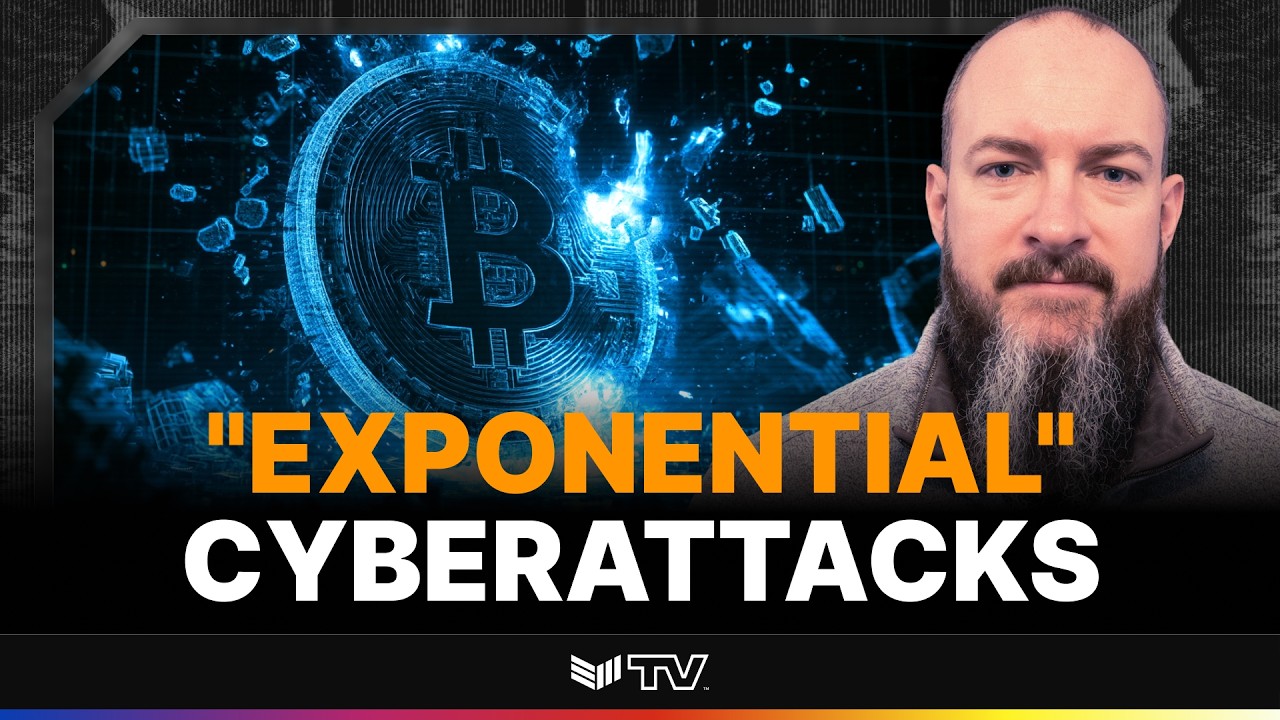
Bitcoin Security Expert Jameson Lopp: Cyberattacks on “Exponential” Path
Bitcoin Magazine features security expert Jameson Lopp, who asserts that cyberattacks are on an "exponential" trajectory. The article highlights how Bitcoin Core actively updates its security protocols in response to these escalating threats, particularly with the advent of AI automating bug hunting processes. Lopp explains the critical shift towards implementing real-time defense strategies and the necessity of openly discussing uncensored exploit models to better understand and mitigate vulnerabilities. He also references specific security incidents, such as the PHP flaw, to illustrate the complex challenges facing the digital security landscape. This piece emphasizes the continuous efforts within the Bitcoin ecosystem to enhance its security posture against sophisticated and evolving cyber threats.
Unbeholden Wallet: a watch-only Bitcoin wallet in your browser
The article introduces 'Unbeholden Wallet', a new watch-only Bitcoin wallet designed to operate directly within a web browser. This tool enables users to monitor their Bitcoin holdings and transaction history without exposing their private keys online. Watch-only functionality is crucial for enhanced security, allowing users to keep their spending keys offline in cold storage while still being able to track their balances and incoming transactions conveniently. By being browser-based, it aims to offer accessibility and ease of use, potentially utilizing client-side processing to maintain user privacy and minimize trust in external servers.

Bitcoin Wallet Fixes Critical Flaw That Redirected Funds to Attackers
Electrum, a well-known Bitcoin wallet, has successfully addressed a critical security vulnerability. This significant flaw permitted malicious servers to intercept and replace users' pending Bitcoin transactions. Consequently, the exploit enabled attackers to deceive users, causing them to unknowingly redirect their Bitcoin funds to addresses controlled by the attackers, rather than the intended recipients. The prompt fix of this vulnerability was crucial to protect user assets and maintain the integrity of transactions within the Bitcoin ecosystem.

Payjoin <> CISA — Last Week in Bitcoin (Oct 19 - 25)

PHP Hack: How Bitcoin Will Respond to the “Cyber Pandemic”
This Bitcoin Magazine article addresses the critical topic of a looming "cyber pandemic" triggered by widespread PHP vulnerabilities that are causing global websites to go offline. Featuring insights from Bitcoin Magazine's Shinobi, the piece aims to provide a deep dive into technical aspects like memory bugs and the escalating threat landscape, particularly with the acceleration of AI-driven hacking techniques. The central question explored is Bitcoin's resilience and potential exposure to such pervasive cyber threats, analyzing how the network, its protocol, or affiliated infrastructure might respond to or be impacted by a major, widespread cyberattack scenario.
Electrum wallet bug let rogue servers steal funds - CoinDesk

Bitcoin wallet bug let rogue servers steal funds when users tried to speed up payments
A critical security flaw was discovered in a Bitcoin wallet, enabling malicious servers to steal funds from users. The attack vector involved attackers replacing legitimate Bitcoin transactions with fake ones and then waiting for users to attempt to speed up their payments by approving higher fees. When users approved these higher fees, they unknowingly authorized the fraudulent transactions, leading to the loss of their Bitcoin. The article confirms that at least one person lost Bitcoin due to this vulnerability. Developers have since identified and patched the flaw, mitigating the risk for other users.
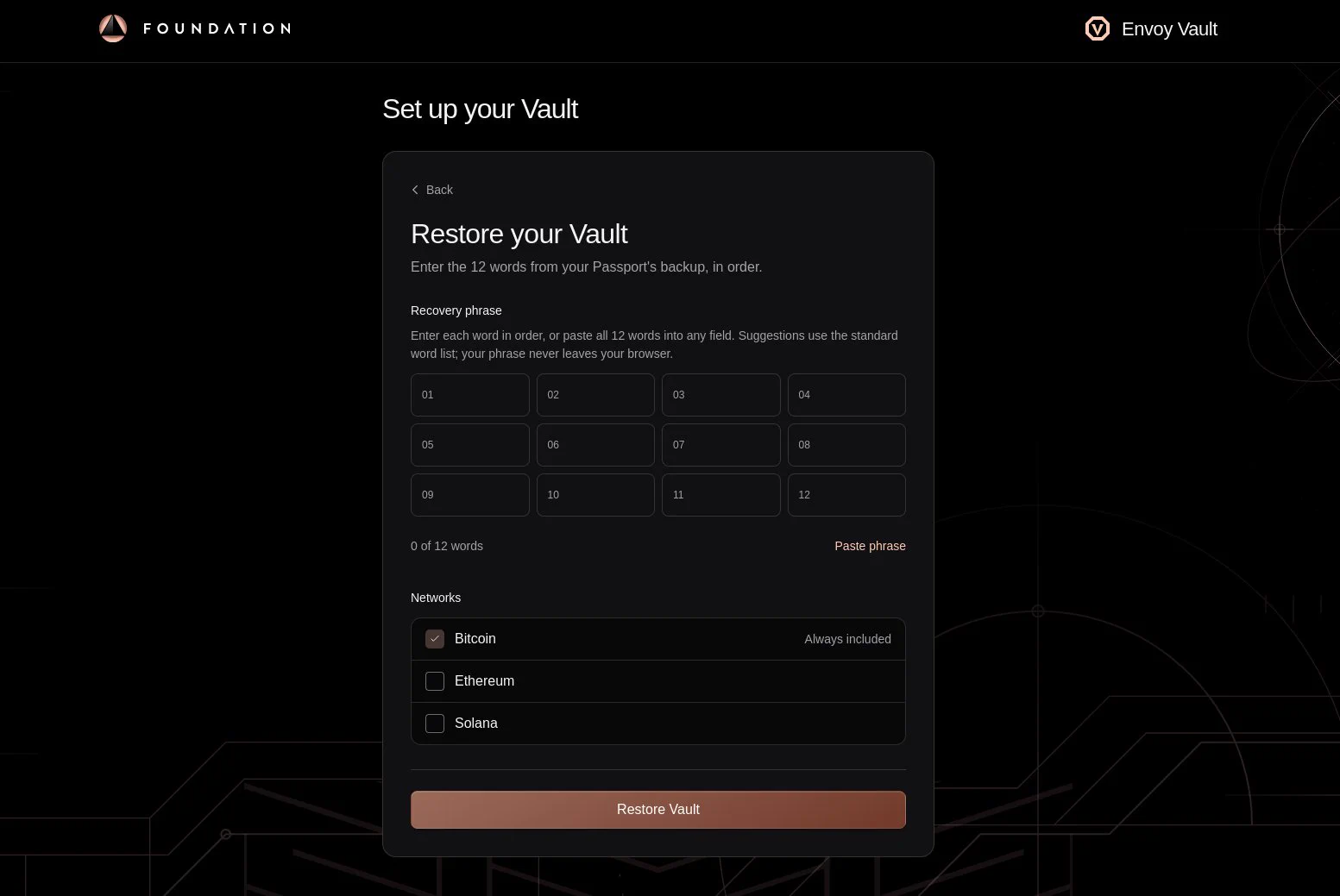
Foundation Devices website and emails compromised -- Ongoing Phishing Attack

Build your own Signing Devices. aka hardware wallet

Keystone customers say breach exposed data the hardware wallet maker promised to delete
9dloading payment rails…