Bubbles — signal by topic
size = articles (7d) · editorials by Cayce64 articles in privacy — bigger & brighter = stronger signal
SN and Nostr Share on PREDYX
27d
Bitcoin Privacy Legend Amir Taaki Deported From Singapore
Amir Taaki, a figure recognized as an early Bitcoin contributor and a "Bitcoin Privacy Legend," has reportedly been deported from Singapore. According to reports from Bitcoin Magazine, Taaki underwent several hours of questioning by authorities before his removal from the country. This incident is presented as part of a recurring pattern, with Taaki indicating that he has experienced similar deportations on other occasions. The news underscores the ongoing scrutiny and potential challenges encountered by individuals prominent in the Bitcoin ecosystem, particularly those advocating for privacy, in their international movements and interactions with state authorities.

The Mixer Rule is Dead, Long Live Outlawing Mixers - The Rage
Coinjoin flow map and table
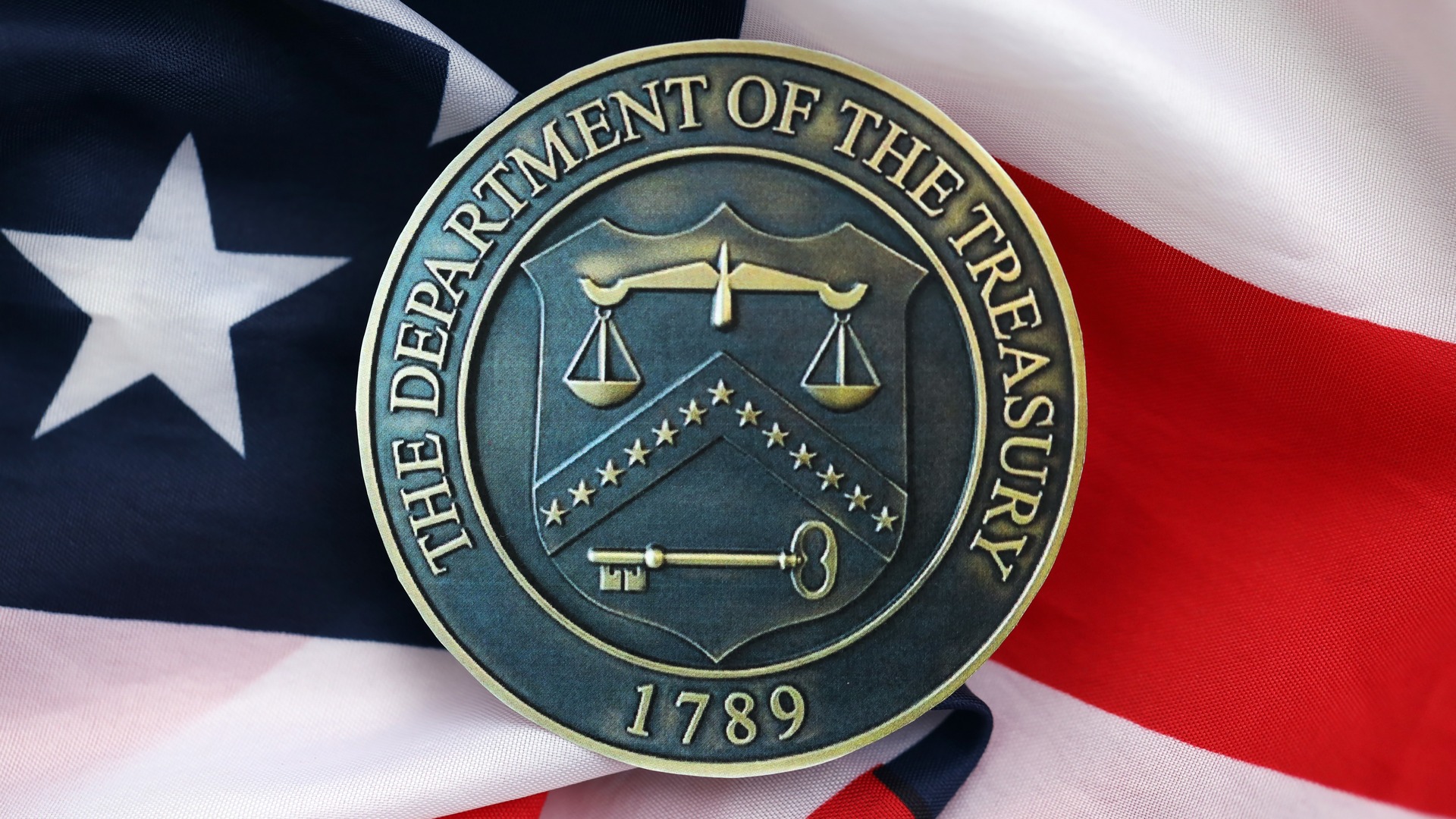
Treasury Drops Crypto Surveillance Proposals
The Financial Crimes Enforcement Network (FinCEN), a bureau of the U.S. Department of the Treasury, has announced a significant reversal regarding its controversial proposals targeting cryptocurrency users. In a move widely regarded as a major victory for privacy advocates and the broader digital asset industry, FinCEN stated its intention to scrap proposed regulations that aimed to increase surveillance on transactions involving "unhosted wallets" and "cryptocurrency mixing" services. These proposals had previously sparked considerable concern among Bitcoin users and privacy proponents, who viewed them as an overreach that could undermine individual financial sovereignty and the ability to conduct private, peer-to-peer transactions without intermediary oversight. The decision to drop these rules signals a potential shift in regulatory approach, easing concerns about burdensome reporting requirements and increased monitoring for self-custodial Bitcoin users.

Ecash Ecosystem Rises to Challenge in the Defense of Decentralized Custody
At Ecash Hackday Berlin, Fedimint and Cashu developers showcased a unified federation across three distinct codebases. Fedi CEO Obi Nwosu highlighted this demo as a direct solution to the software-monoculture risks he previously identified in decentralized custody, drawing lessons from past experiences with systems like Liquid and Coldcard. The article, originating from Bitcoin Magazine and penned by Obi Nwosu, emphasizes advancements in the Ecash Ecosystem to bolster decentralized custody.

Joinstr: Coinjoin pools using MuSig2 and pre-signed transactions.
Joinstr presents a novel implementation for Coinjoin operations within the Bitcoin ecosystem, focusing on enhancing transaction privacy and fungibility. The system leverages advanced cryptographic techniques, specifically MuSig2, a sophisticated multi-signature scheme that allows for compact and efficient transaction constructions. Furthermore, Joinstr incorporates the use of pre-signed transactions, which can streamline the coordination process for Coinjoin pools and potentially offer greater flexibility and security guarantees for participants. This approach aims to provide a more robust and scalable solution for achieving improved on-chain privacy for Bitcoin users by making transaction inputs and outputs harder to link through collaborative mixing.
AskSN: How long should a P2P exchange over Lightning take?
28d
U.S. scraps proposed $10,000 reporting rule for for crypto sent to private wallets
The U.S. Financial Crimes Enforcement Network (FinCEN) has officially withdrawn two long-standing proposals that aimed to impose a $10,000 reporting rule for cryptocurrency transactions sent to private, self-custodied wallets. These proposals, which also touched upon activities involving 'crypto mixers,' had been pending for several years without ever being implemented. The withdrawal signifies that the potential regulatory burdens and surveillance concerns associated with these rules, particularly for individuals engaging in self-custody and utilizing privacy-enhancing tools within the Bitcoin ecosystem, will not materialize. This decision is a notable development for those concerned with financial privacy and the ability to manage digital assets independently without additional reporting obligations to federal authorities.

Bitcoin Optech Newsletter #425 Recap Podcast
The Bitcoin Optech Newsletter #425 Recap Podcast, featuring Gustavo Flores Echaiz, Brandon Black, and Matt Morehouse, provides a deep dive into recent Bitcoin and Lightning Network development updates. Key news items covered include the disclosure of two Denial-of-Service (DoS) vulnerabilities affecting the Eclair Lightning implementation and a proposal to enhance wallet label synchronization, aiming to improve user experience and privacy. Discussions around potential consensus changes explored advanced topics such as the ongoing evaluation of Post-Quantum Cryptography (PQC) output types for Bitcoin's future, proposals for block-wide signature aggregation using SNARKs for scalability and privacy, and a detailed analysis of chain length bounds in the context of BIP54 time warp fixes. The podcast also compared various covenant proposals for implementing secure Bitcoin vaults and introduced "depots" for probabilistic Lightning channels, a concept to potentially boost Lightning Network efficiency. The recap further highlighted recent releases and release candidates, specifically mentioning LND v0.21.4-beta.rc1 and LND v0.20.5-beta.rc1, signifying active development within the Lightning ecosystem. Lastly, the podcast detailed numerous notable code and documentation changes, citing several merged pull requests across critical Bitcoin infrastructure projects. This included a series of updates to Bitcoin Core (e.g., #29278, #35984, #35301, #36312, #36284, #35752, #35813), a significant update to BIPs (#2276), as well as important contributions to the Lightning Development Kit (LDK #4993) and the Lightning Network Daemon (LND #11173, #11190). These updates collectively underscore the continuous, rigorous development efforts within the Bitcoin protocol and its scaling layers.
FinCEN dropped its mixing rule. Samourai's devs are in jail until 2028 and 2029.
Treasury Kills Crypto 'Unhosted Wallet' and Mixer Surveillance Rules
The U.S. Treasury's Financial Crimes Enforcement Network (FinCEN) has officially withdrawn two significant regulatory proposals that would have impacted the cryptocurrency ecosystem. The first was a 2020 proposal designed to track and impose surveillance requirements on transactions involving self-custodial, or 'unhosted,' crypto wallets. This measure would have significantly increased the reporting burden and oversight on individuals directly managing their own digital assets. The second proposal, dating from 2023, aimed to designate cryptocurrency mixing services as a 'primary money laundering concern.' The withdrawal of both proposals signals a notable change in regulatory direction, providing relief for those concerned about privacy and self-sovereignty within the Bitcoin and broader crypto space, as it avoids increased government scrutiny on fundamental aspects of digital asset use.
AskSN: Is UTXO management worth the privacy trade-off for smaller stackers?
Bitchat fork: Sonar - a private chat on Bluetooth mesh and Nostr
31dBISQ Release v1.10.9 w/ important security update fixed vulnerabilities
32d
Brainstorm - Nostr's ultimate web of trust client
32dloading payment rails…