Bubbles — signal by topic
size = articles (7d) · editorials by Cayce73 articles in regulation — bigger & brighter = stronger signal
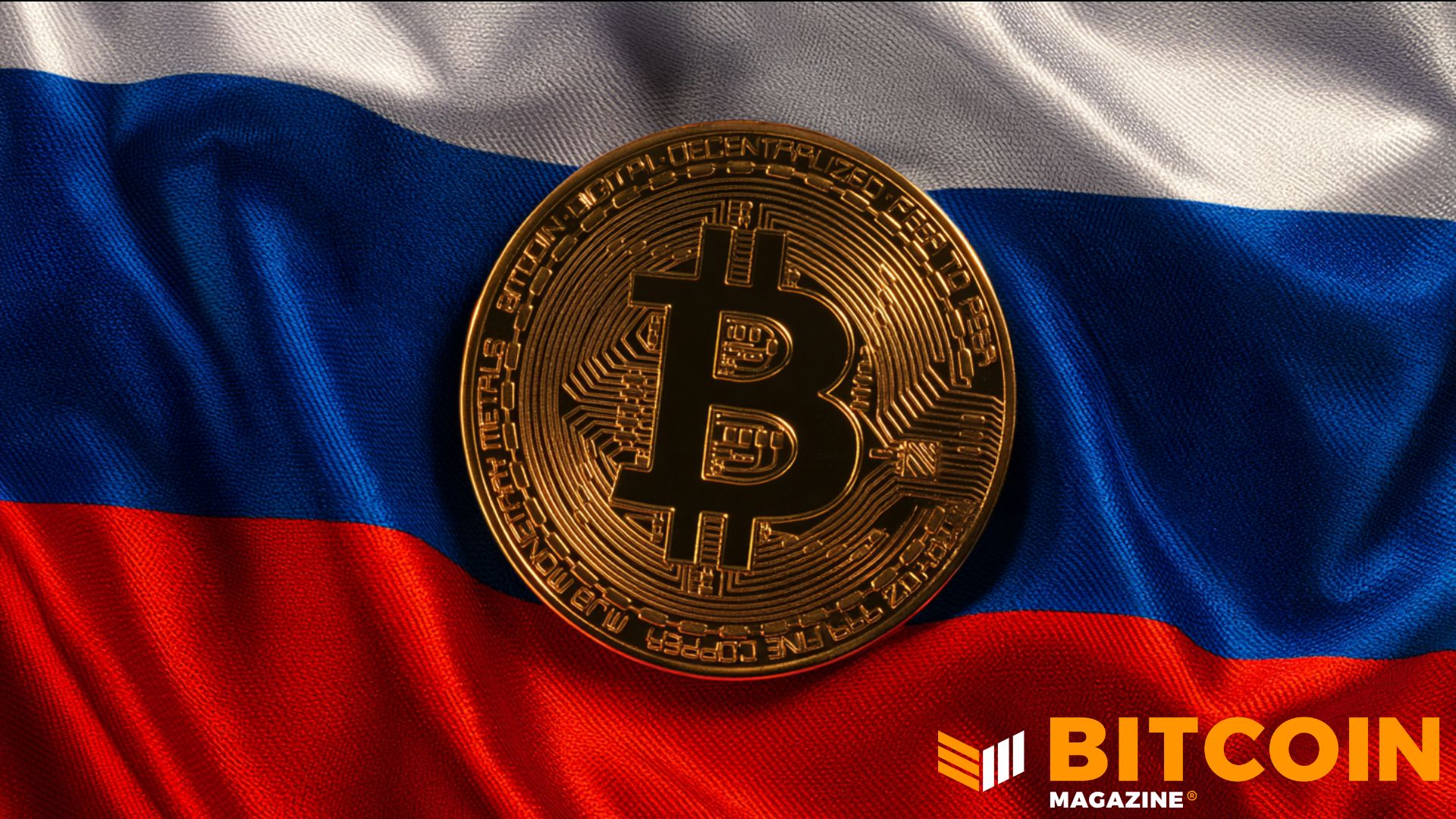
Moscow Exchange to Launch Bitcoin Trading, Testing Underway
The Moscow Exchange is currently testing its new Bitcoin trading services. This development follows recent regulatory changes in Russia, which now allow its citizens to engage in Bitcoin trading.
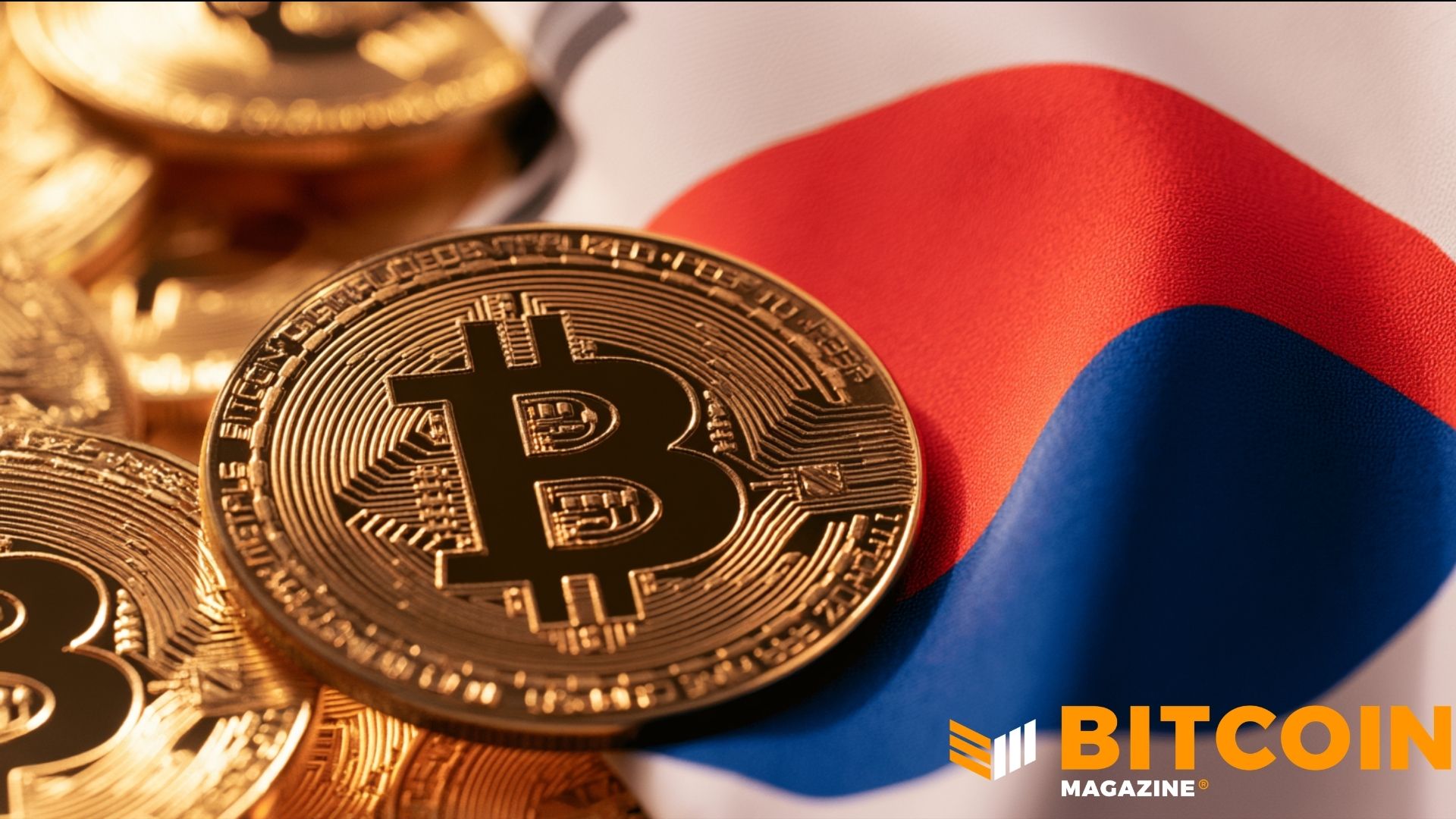
South Korean Lender Jeonbuk Bank to Offer Bitcoin-Backed Loans
South Korean lender Jeonbuk Bank has announced its new offering of Bitcoin-backed loans, making it the first financial institution in the country to provide such a service. This move represents a significant step for Bitcoin's integration into traditional banking services within South Korea.
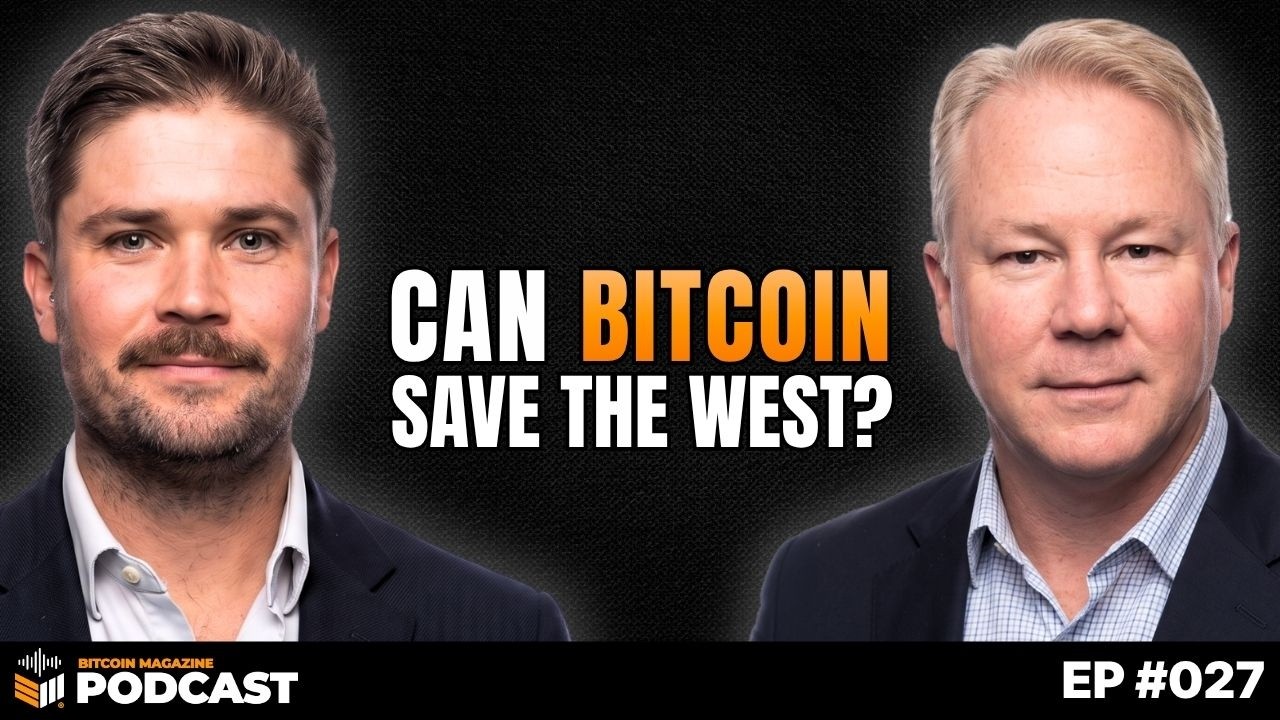
Congressman Warren Davidson: The Future of Money Will Decide Western Civilization
Congressman Warren Davidson, writing in Bitcoin Magazine, argues that the choice of monetary systems will dictate the future course of Western Civilization. He highlights the detrimental effects of increasing national debt and inflation on the purchasing power of citizens. Davidson stresses that embracing sound money principles and investing in real assets are crucial measures for securing America's economic stability and ensuring its future prosperity.

South Korea just got its first traditional bank loans backed by bitcoin
South Korea has introduced its first traditional bank loans secured by Bitcoin, marking a notable development in the integration of digital assets with conventional finance. These innovative financial products utilize third-party custodians to manage the Bitcoin collateral, ensuring secure holding of the digital assets. A critical component of these loan agreements is the default resolution mechanism, which relies on court-ordered sales of the collateralized Bitcoin should a borrower fail to meet their repayment obligations. This establishes a legal framework for the recovery process and highlights the evolving regulatory landscape surrounding Bitcoin-backed financial instruments in the region.

UK Freezes $12M London Penthouse of Alleged Prince Group Finance Chief
UK authorities have frozen a $12 million London penthouse linked to Thet Li, who is accused of orchestrating the financial operations for a massive scam empire. This alleged criminal enterprise is reportedly connected to a staggering $14 billion in Bitcoin, which the U.S. government has already moved to seize. The article details a significant international law enforcement action targeting large-scale illicit financial activities that prominently feature Bitcoin.
Samourai Letter #7: Notes From The Inside (BM, Keonne Rodriguez)
The article title "Samourai Letter #7: Notes From The Inside (BM, Keonne Rodriguez)" refers to a significant development concerning Samourai Wallet, a prominent Bitcoin privacy-enhancing tool, and its co-founders. BM (William Lonergan Hill) and Keonne Rodriguez were arrested by U.S. authorities in April 2024, facing charges of conspiracy to commit money laundering and conspiracy to operate an unlicensed money transmitting business. This 'Letter #7' likely represents a direct communication or update from or about the founders, offering insights into their legal situation, experiences from detention, or the ongoing legal battle. The arrests have sent ripples through the Bitcoin community, highlighting the increasing regulatory pressure on privacy-preserving technologies and the individuals behind them. This case is viewed as a crucial test for financial privacy and individual sovereignty within the Bitcoin ecosystem, raising questions about the future viability of self-custodial, privacy-focused Bitcoin wallets and the legal risks faced by their developers. The 'Notes From The Inside' are anticipated to provide firsthand accounts or critical updates on a case that directly impacts the core tenets of Bitcoin—censorship resistance and user privacy.
Empire Market Co-Creator Sentenced to 40 Years Over $430M Dark Web Bazaar
Raheim Hamilton, a co-creator of the notorious dark web marketplace Empire Market, has been sentenced to 40 years in prison. As part of his sentencing, Hamilton was ordered to forfeit approximately 1,230 BTC. His accomplice, Thomas Pavey, who also participated in creating Empire Market, has agreed to forfeit a larger sum of 1,584 BTC and is slated for sentencing later this month. Empire Market was known for facilitating illicit transactions, reportedly handling over $430 million. This case highlights the ongoing efforts by law enforcement to prosecute operators of dark web platforms and seize cryptocurrencies associated with such illegal activities, demonstrating the severe legal repercussions and the challenges in obscuring financial trails for large-scale operations.

Dark web drug market operator sentenced to 40 years, forfeits $101 million in bitcoin
30d
US Government Moves $1 Billion in Bitcoin Seized From Bitfinex Hacker
The United States government executed a substantial transfer of Bitcoin, moving 12,267 BTC, valued at approximately $1 billion, from a wallet known to hold funds seized from individuals implicated in the 2016 Bitfinex hack. According to on-chain analytics data provided by Arkham, these Bitcoin funds were transferred to a new, previously unlabeled address, signifying a notable movement of a significant portion of the government's recovered digital assets.
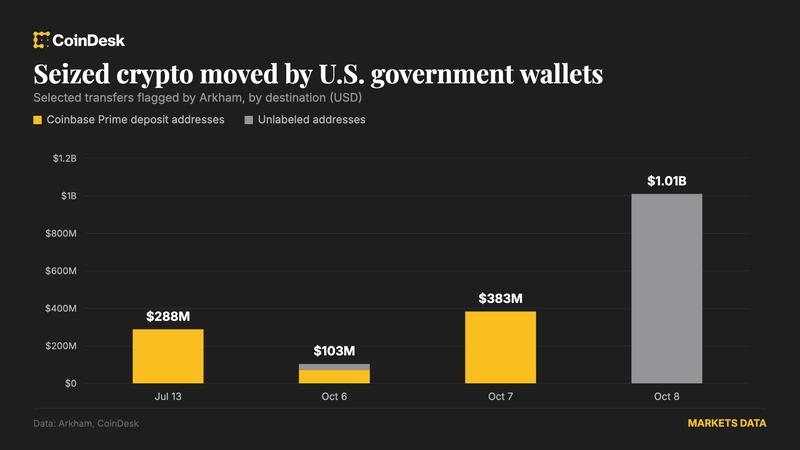
U.S. government moves $1 billion in bitcoin from Bitfinex hack wallet, no sale indicated
The U.S. government has reportedly moved approximately $1 billion worth of Bitcoin, specifically 12,267 BTC, from wallets associated with the 2016 Bitfinex exchange hack. On-chain data from Arkham indicates that these significant funds were transferred to new, unlabeled wallets, rather than directly to an exchange for sale, suggesting that an immediate liquidation is not intended. This movement occurred just a day after a separate transfer of $383 million in Bitcoin was observed reaching Coinbase Prime. The U.S. government is a major holder of seized Bitcoin, primarily from cases like the Silk Road darknet market, and these large-scale movements are closely monitored by the market for potential implications on Bitcoin's supply and price dynamics.
Russia’s Sberbank Given Green Light to Custody Bitcoin
Russia’s largest financial institution, Sberbank, has announced that it has received the green light from the Bank of Russia to provide bitcoin custody services. This makes Sberbank the first bank in the country to be approved for “digital currency record-keeping” and the facilitation of digital asset transfers. The approval primarily pertains to bitcoin, with a secondary mention of other, smaller digital assets.

The Mixer Rule is Dead, Long Live Outlawing Mixers - The Rage
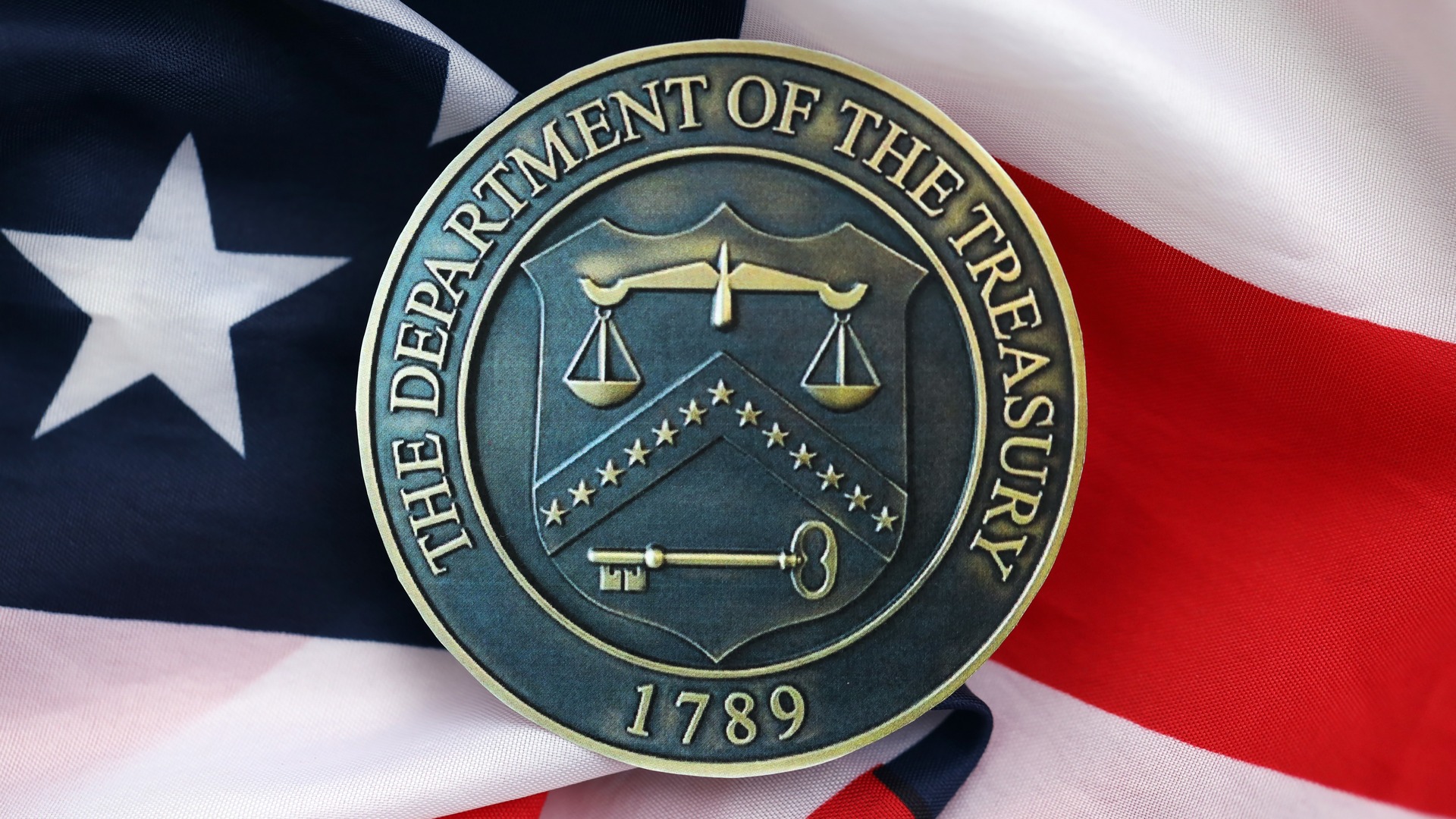
Treasury Drops Crypto Surveillance Proposals
The Financial Crimes Enforcement Network (FinCEN), a bureau of the U.S. Department of the Treasury, has announced a significant reversal regarding its controversial proposals targeting cryptocurrency users. In a move widely regarded as a major victory for privacy advocates and the broader digital asset industry, FinCEN stated its intention to scrap proposed regulations that aimed to increase surveillance on transactions involving "unhosted wallets" and "cryptocurrency mixing" services. These proposals had previously sparked considerable concern among Bitcoin users and privacy proponents, who viewed them as an overreach that could undermine individual financial sovereignty and the ability to conduct private, peer-to-peer transactions without intermediary oversight. The decision to drop these rules signals a potential shift in regulatory approach, easing concerns about burdensome reporting requirements and increased monitoring for self-custodial Bitcoin users.

Bringin Opens Euro Business Accounts for Bitcoin Companies Across 30 European Countries
Bringin has launched Euro business accounts specifically for Bitcoin companies, now accessible across 30 European countries. These accounts leverage MiCA-authorized infrastructure provided by Lightspark Payments Europe AS. A key feature is the robust security mechanism where account keys are stored within a hardware security module (HSM), ensuring that only the designated owners have the authority to initiate fund movements. This development aims to provide essential banking services tailored for the Bitcoin industry within the European market.
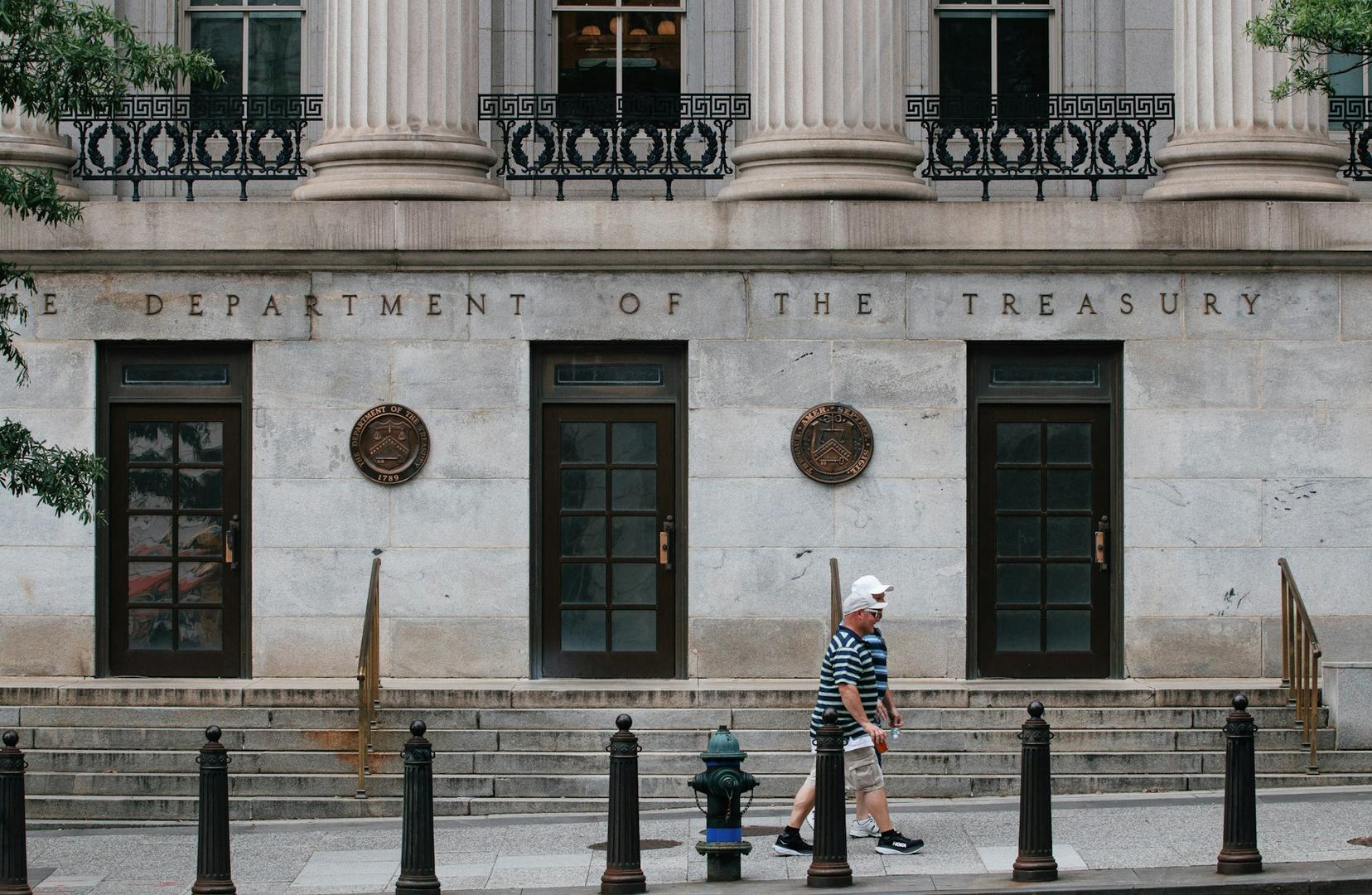
U.S. scraps proposed $10,000 reporting rule for for crypto sent to private wallets
The U.S. Financial Crimes Enforcement Network (FinCEN) has officially withdrawn two long-standing proposals that aimed to impose a $10,000 reporting rule for cryptocurrency transactions sent to private, self-custodied wallets. These proposals, which also touched upon activities involving 'crypto mixers,' had been pending for several years without ever being implemented. The withdrawal signifies that the potential regulatory burdens and surveillance concerns associated with these rules, particularly for individuals engaging in self-custody and utilizing privacy-enhancing tools within the Bitcoin ecosystem, will not materialize. This decision is a notable development for those concerned with financial privacy and the ability to manage digital assets independently without additional reporting obligations to federal authorities.
FinCEN dropped its mixing rule. Samourai's devs are in jail until 2028 and 2029.

Coinbase’s Ryan VanGrack: CFTC Approval “Opens Many Doors” for Bitcoin
Coinbase's Ryan VanGrack discusses the significant opportunities that CFTC approval could unlock for Bitcoin, suggesting it will open many doors for the cryptocurrency. He also addresses the impact of proposed SEC rules, indicating they could boost direct Bitcoin ownership among financial advisors. VanGrack expresses a view that both Bitcoin exchange-traded funds (ETFs) and direct holding strategies can successfully coexist and thrive within the evolving regulatory environment.

Coinbase Business Chief: Big Banks Increasing BTC Exposure | Shan Aggarwal
Coinbase Business Chief, Shan Aggarwal, discusses the increasing exposure of major banks to Bitcoin (BTC). Aggarwal highlights how new regulations from the U.S. Securities and Exchange Commission (SEC) are expected to open doors for financial advisors to access Bitcoin. He further explains Coinbase's custody infrastructure, positioning it as a pivotal component facilitating this institutional adoption and the broader integration of Bitcoin into traditional financial systems.
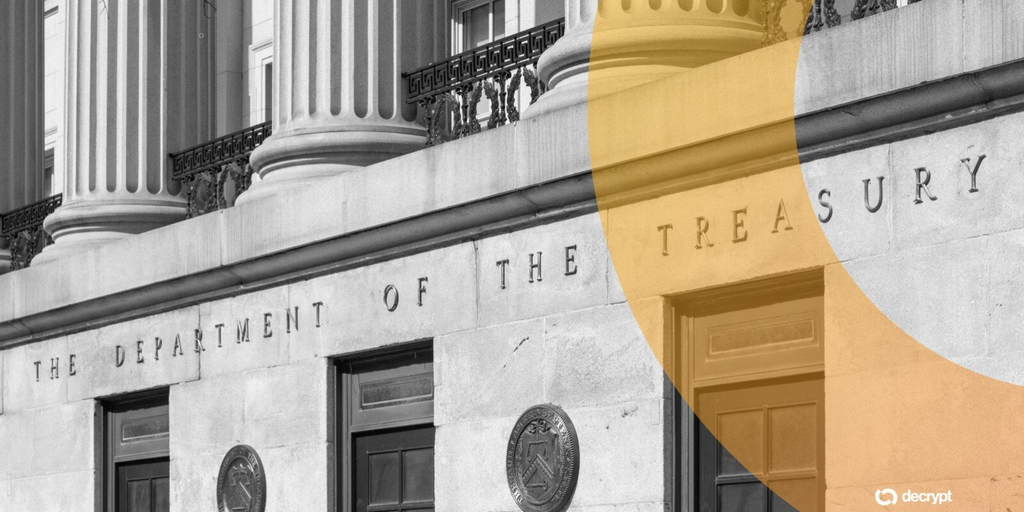
Treasury Kills Crypto 'Unhosted Wallet' and Mixer Surveillance Rules
The U.S. Treasury's Financial Crimes Enforcement Network (FinCEN) has officially withdrawn two significant regulatory proposals that would have impacted the cryptocurrency ecosystem. The first was a 2020 proposal designed to track and impose surveillance requirements on transactions involving self-custodial, or 'unhosted,' crypto wallets. This measure would have significantly increased the reporting burden and oversight on individuals directly managing their own digital assets. The second proposal, dating from 2023, aimed to designate cryptocurrency mixing services as a 'primary money laundering concern.' The withdrawal of both proposals signals a notable change in regulatory direction, providing relief for those concerned about privacy and self-sovereignty within the Bitcoin and broader crypto space, as it avoids increased government scrutiny on fundamental aspects of digital asset use.
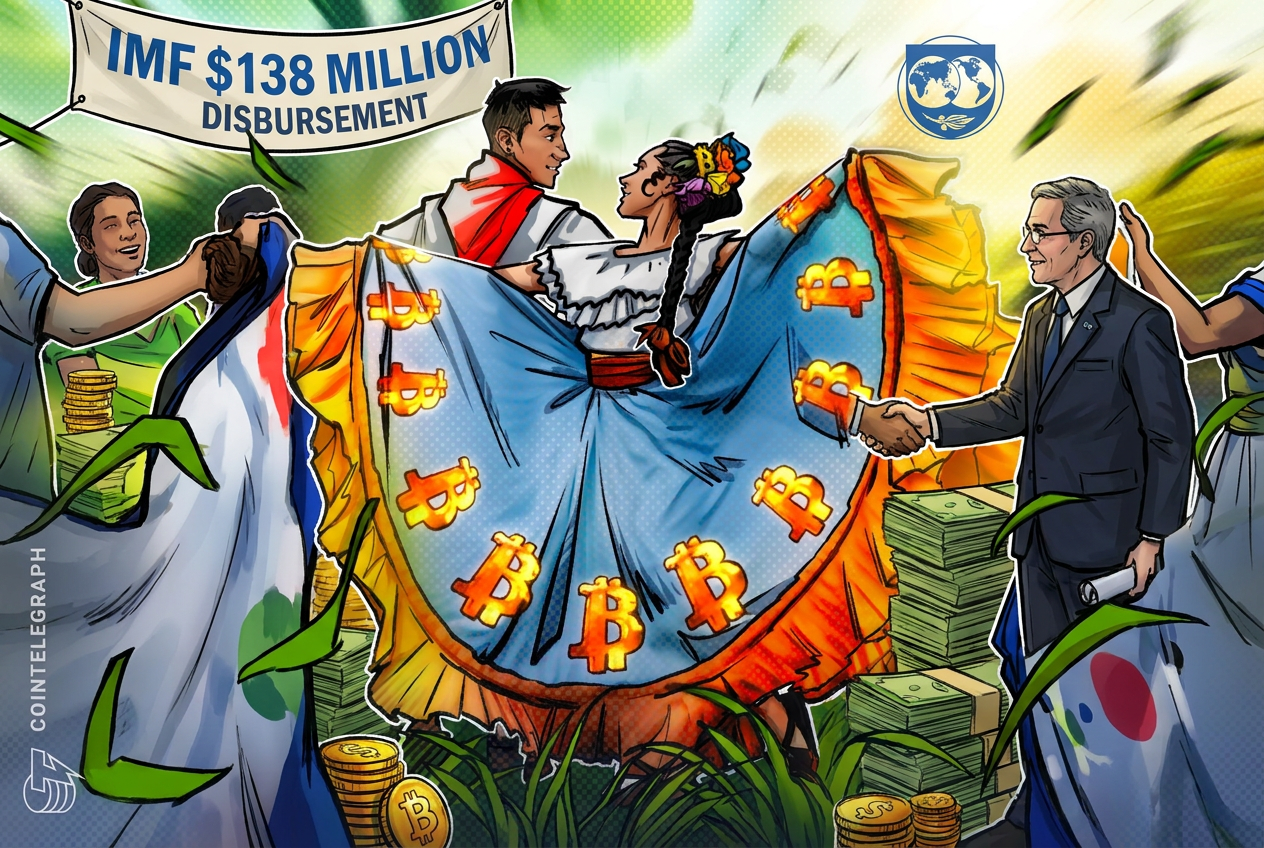
El Salvador receives $138 million from IMF after Bitcoin waivers granted
35dDoes this OFAC license allow certain Cubans to receive BTC from a U.S. partner?

IMF Praises El Salvador — But Still Tries To Scale Back Its Bitcoin Project
The International Monetary Fund (IMF) has officially approved a $139 million disbursement of funds to El Salvador. Despite this financial support, the IMF continues to exert pressure on the Central American nation, advocating for a reduction or scaling back of its ambitious Bitcoin project. This report from Bitcoin Magazine highlights the ongoing international financial dynamics impacting El Salvador's unique stance on Bitcoin adoption.
IMF pays El Salvador $138M and waives its bitcoin breach | SNL #244

Bitcoin think tank questions MSCI’s ‘invisible committee’ over Strategy, Metaplanet rule
A paper from the Bitcoin Policy Institute (BPI) has raised concerns about a proposed rule by MSCI, a global index provider. The BPI argues that MSCI's "non-operating company" rule could lead to the exclusion of prominent Bitcoin-holding companies, such as MicroStrategy (referred to as Strategy) and Metaplanet, from its widely followed indexes. The institute suggests that the origins of this proposed rule might be linked to an earlier review conducted by MSCI concerning corporate crypto treasuries. The potential removal of these companies from major indexes could impact their visibility and attractiveness to institutional investors, affecting the broader perception and integration of Bitcoin into traditional financial structures. This highlights a growing intersection between traditional financial indexing methodologies and the burgeoning trend of companies adopting Bitcoin as a treasury asset.
loading payment rails…