Bubbles — signal by topic
size = articles (7d) · editorials by Cayce120 articles in custody — bigger & brighter = stronger signal
Standard Chartered to Offer Digital Asset Custody in Singapore
30d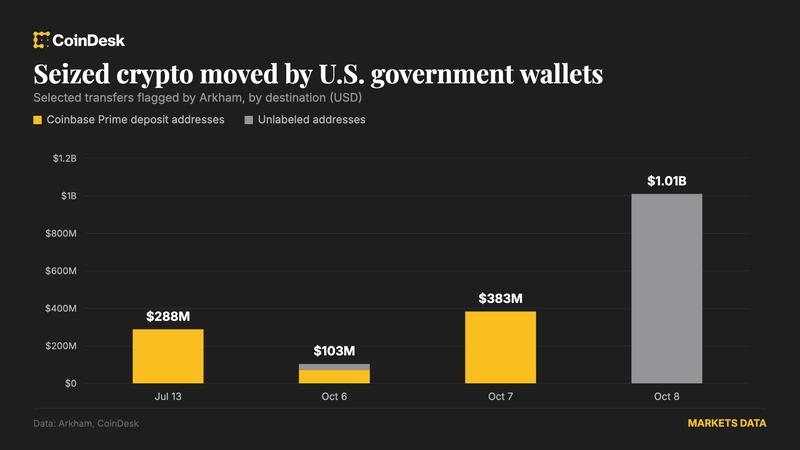
U.S. government moves $1 billion in bitcoin from Bitfinex hack wallet, no sale indicated
The U.S. government has reportedly moved approximately $1 billion worth of Bitcoin, specifically 12,267 BTC, from wallets associated with the 2016 Bitfinex exchange hack. On-chain data from Arkham indicates that these significant funds were transferred to new, unlabeled wallets, rather than directly to an exchange for sale, suggesting that an immediate liquidation is not intended. This movement occurred just a day after a separate transfer of $383 million in Bitcoin was observed reaching Coinbase Prime. The U.S. government is a major holder of seized Bitcoin, primarily from cases like the Silk Road darknet market, and these large-scale movements are closely monitored by the market for potential implications on Bitcoin's supply and price dynamics.
Rick from CryptoCloaks - I don't what I'm doing but I print stuff AMA
30dfrost-wallet: Offline .html Bitcoin threshold wallet - olegfomenko
Bitcoin mined for pennies in 2010 moves after 16 years, now worth $8.5 million
A significant quantity of 100 Bitcoin, originating from two distinct mining rewards during Bitcoin’s foundational 'Satoshi era' around 2010, has recently been transferred. These particular coins had remained untouched and dormant for more than 16 years since their creation. The movement marks the awakening of a substantial early accumulation, which at the time of its transfer, commanded a value of approximately $8.5 million. Such awakenings of 'Satoshi-era' bitcoins are closely observed within the community, often prompting discussion about the identities of early adopters and the long-term HODL phenomenon.
Russia’s Sberbank Given Green Light to Custody Bitcoin
Russia’s largest financial institution, Sberbank, has announced that it has received the green light from the Bank of Russia to provide bitcoin custody services. This makes Sberbank the first bank in the country to be approved for “digital currency record-keeping” and the facilitation of digital asset transfers. The approval primarily pertains to bitcoin, with a secondary mention of other, smaller digital assets.
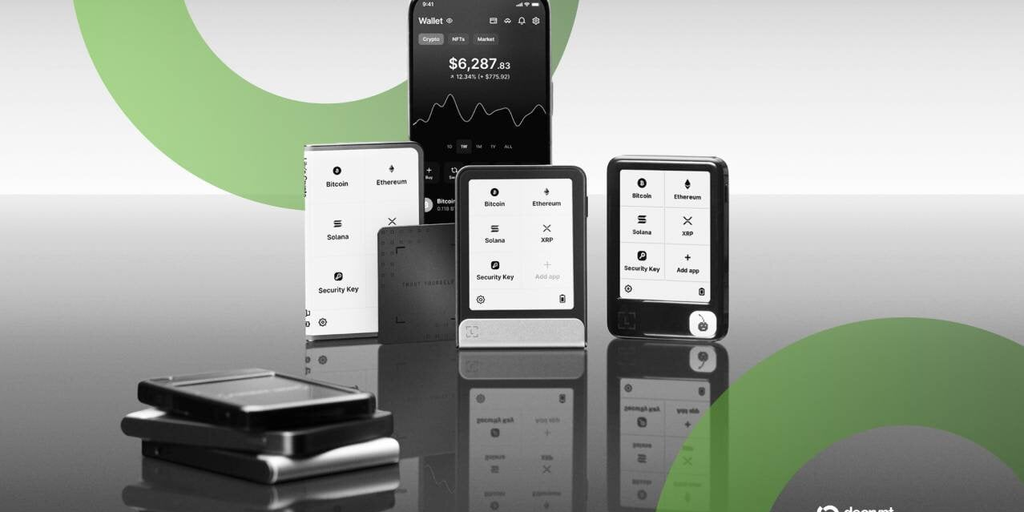
Ledger Launches Bitcoin Loans, Letting Holders Borrow Without Selling
32d
$350M St Cloud CEO: The First Credit Union to Put Bitcoin on Core Ledger | Jed Meyer
St. Cloud, a credit union established in the 1930s, has reportedly become the pioneering institution to integrate real Bitcoin directly onto its core ledger. Its CEO, Jed Meyer, is noted for elaborating on the credit union's novel hybrid vault model for Bitcoin custody. The institution has quietly accumulated over 20 BTC, marking a significant step in institutional adoption of digital assets within traditional financial frameworks.
Ecash Ecosystem Rises to Challenge in the Defense of Decentralized Custody
At Ecash Hackday Berlin, Fedimint and Cashu developers showcased a unified federation across three distinct codebases. Fedi CEO Obi Nwosu highlighted this demo as a direct solution to the software-monoculture risks he previously identified in decentralized custody, drawing lessons from past experiences with systems like Liquid and Coldcard. The article, originating from Bitcoin Magazine and penned by Obi Nwosu, emphasizes advancements in the Ecash Ecosystem to bolster decentralized custody.
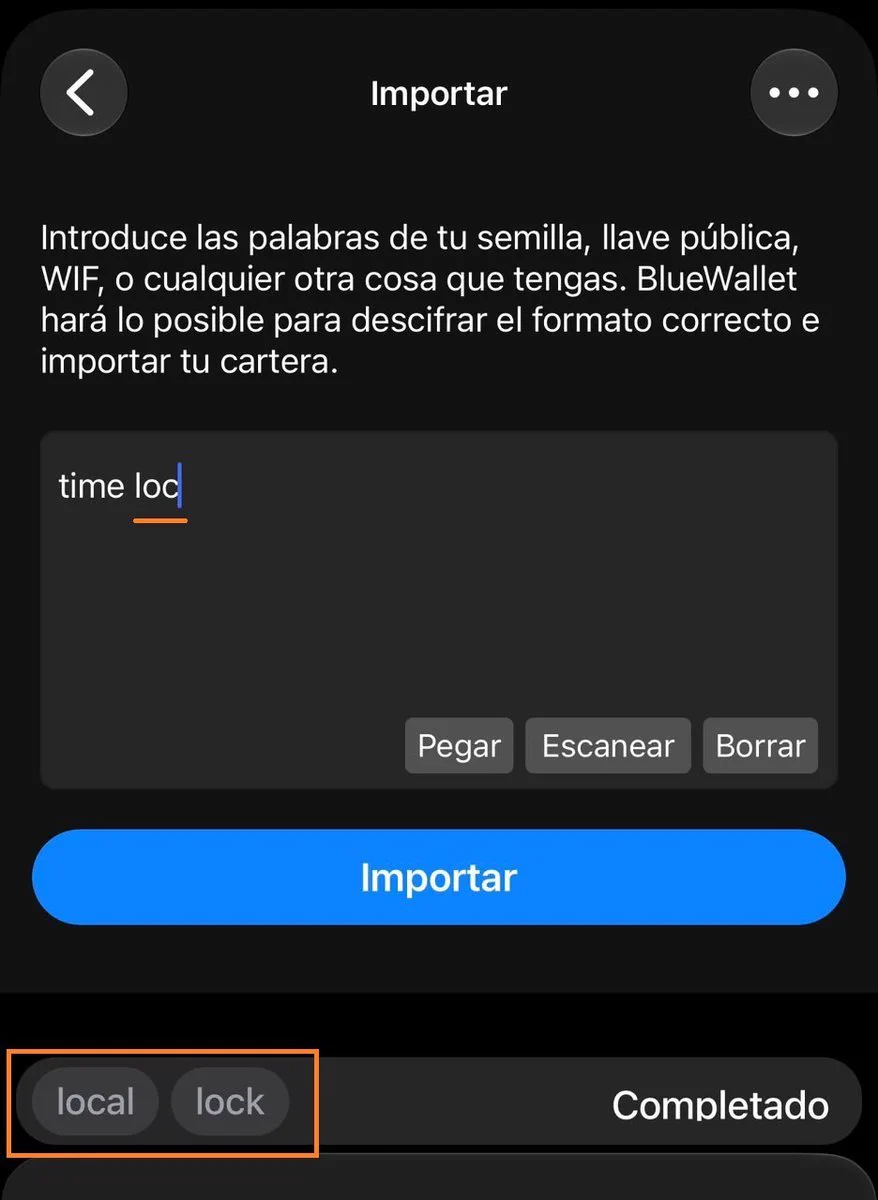
BlueWallet v8.0.2. ➜ Mejora la importación de semillas BIP39.
BlueWallet, a widely recognized non-custodial mobile wallet for Bitcoin and the Lightning Network, has announced the release of its version 8.0.2 update. The primary enhancement in this new iteration is a significant improvement to the functionality for importing BIP39 seed phrases. BIP39 is an essential industry standard that facilitates the creation and restoration of mnemonic phrases, which are human-readable representations of private keys. By enhancing the seed import process, BlueWallet aims to bolster the reliability and user experience for individuals looking to restore their wallets, transfer funds between compatible wallets, or set up new devices. This update directly contributes to strengthening the security and overall self-custody capabilities of Bitcoin users, empowering them to manage their digital assets with greater confidence and control.

Binance BTC outflows hit highest since mid-2023 as whales deposit stablecoins
Binance has seen its highest Bitcoin (BTC) outflows since mid-2023, indicating significant movements on the exchange. Since September 20, the platform's BTC reserves have reportedly decreased by nearly 40,000 coins. This notable shift is attributed to large market participants, or 'whales,' who have been observed depositing stablecoin capital back into their exchange wallets. These movements suggest a change in the allocation or trading strategies of major holders on the Binance platform.

Bringin Opens Euro Business Accounts for Bitcoin Companies Across 30 European Countries
Bringin has launched Euro business accounts specifically for Bitcoin companies, now accessible across 30 European countries. These accounts leverage MiCA-authorized infrastructure provided by Lightspark Payments Europe AS. A key feature is the robust security mechanism where account keys are stored within a hardware security module (HSM), ensuring that only the designated owners have the authority to initiate fund movements. This development aims to provide essential banking services tailored for the Bitcoin industry within the European market.
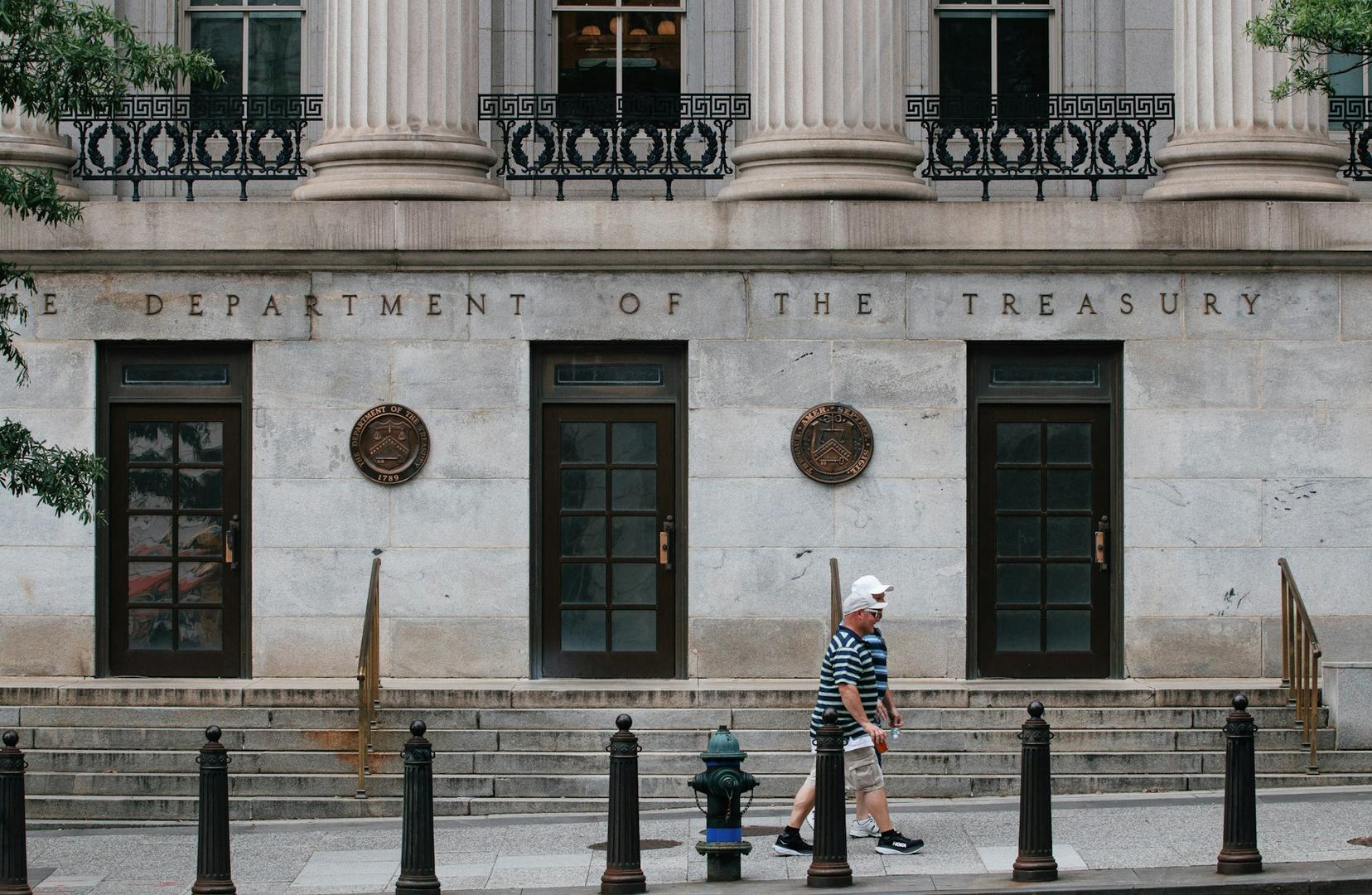
U.S. scraps proposed $10,000 reporting rule for for crypto sent to private wallets
The U.S. Financial Crimes Enforcement Network (FinCEN) has officially withdrawn two long-standing proposals that aimed to impose a $10,000 reporting rule for cryptocurrency transactions sent to private, self-custodied wallets. These proposals, which also touched upon activities involving 'crypto mixers,' had been pending for several years without ever being implemented. The withdrawal signifies that the potential regulatory burdens and surveillance concerns associated with these rules, particularly for individuals engaging in self-custody and utilizing privacy-enhancing tools within the Bitcoin ecosystem, will not materialize. This decision is a notable development for those concerned with financial privacy and the ability to manage digital assets independently without additional reporting obligations to federal authorities.

Coinbase Business Chief: Big Banks Increasing BTC Exposure | Shan Aggarwal
Coinbase Business Chief, Shan Aggarwal, discusses the increasing exposure of major banks to Bitcoin (BTC). Aggarwal highlights how new regulations from the U.S. Securities and Exchange Commission (SEC) are expected to open doors for financial advisors to access Bitcoin. He further explains Coinbase's custody infrastructure, positioning it as a pivotal component facilitating this institutional adoption and the broader integration of Bitcoin into traditional financial systems.
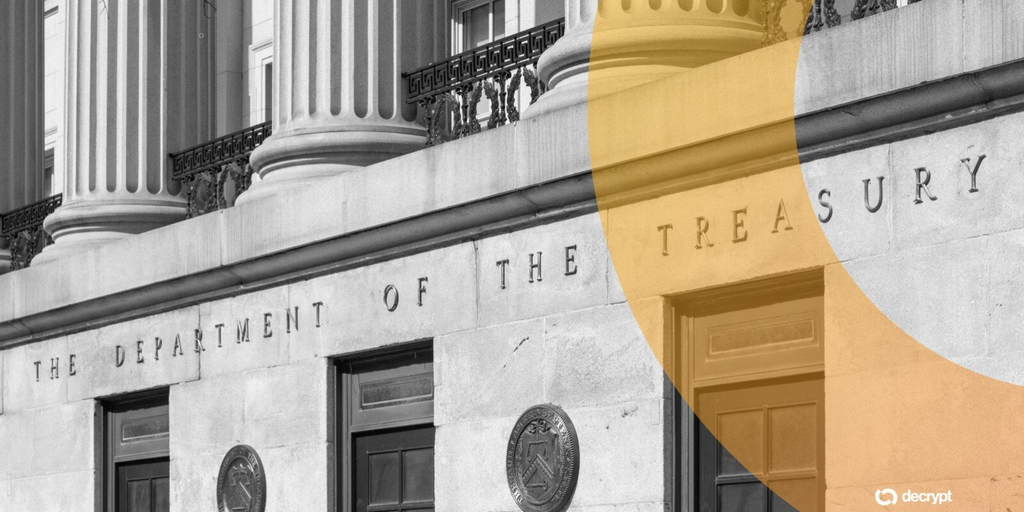
Treasury Kills Crypto 'Unhosted Wallet' and Mixer Surveillance Rules
The U.S. Treasury's Financial Crimes Enforcement Network (FinCEN) has officially withdrawn two significant regulatory proposals that would have impacted the cryptocurrency ecosystem. The first was a 2020 proposal designed to track and impose surveillance requirements on transactions involving self-custodial, or 'unhosted,' crypto wallets. This measure would have significantly increased the reporting burden and oversight on individuals directly managing their own digital assets. The second proposal, dating from 2023, aimed to designate cryptocurrency mixing services as a 'primary money laundering concern.' The withdrawal of both proposals signals a notable change in regulatory direction, providing relief for those concerned about privacy and self-sovereignty within the Bitcoin and broader crypto space, as it avoids increased government scrutiny on fundamental aspects of digital asset use.
All Ownership is Provisional: Can You Own a Forest? What About a Bitcoin?
The first 48 hours after you die: a Bitcoin inheritance timeline
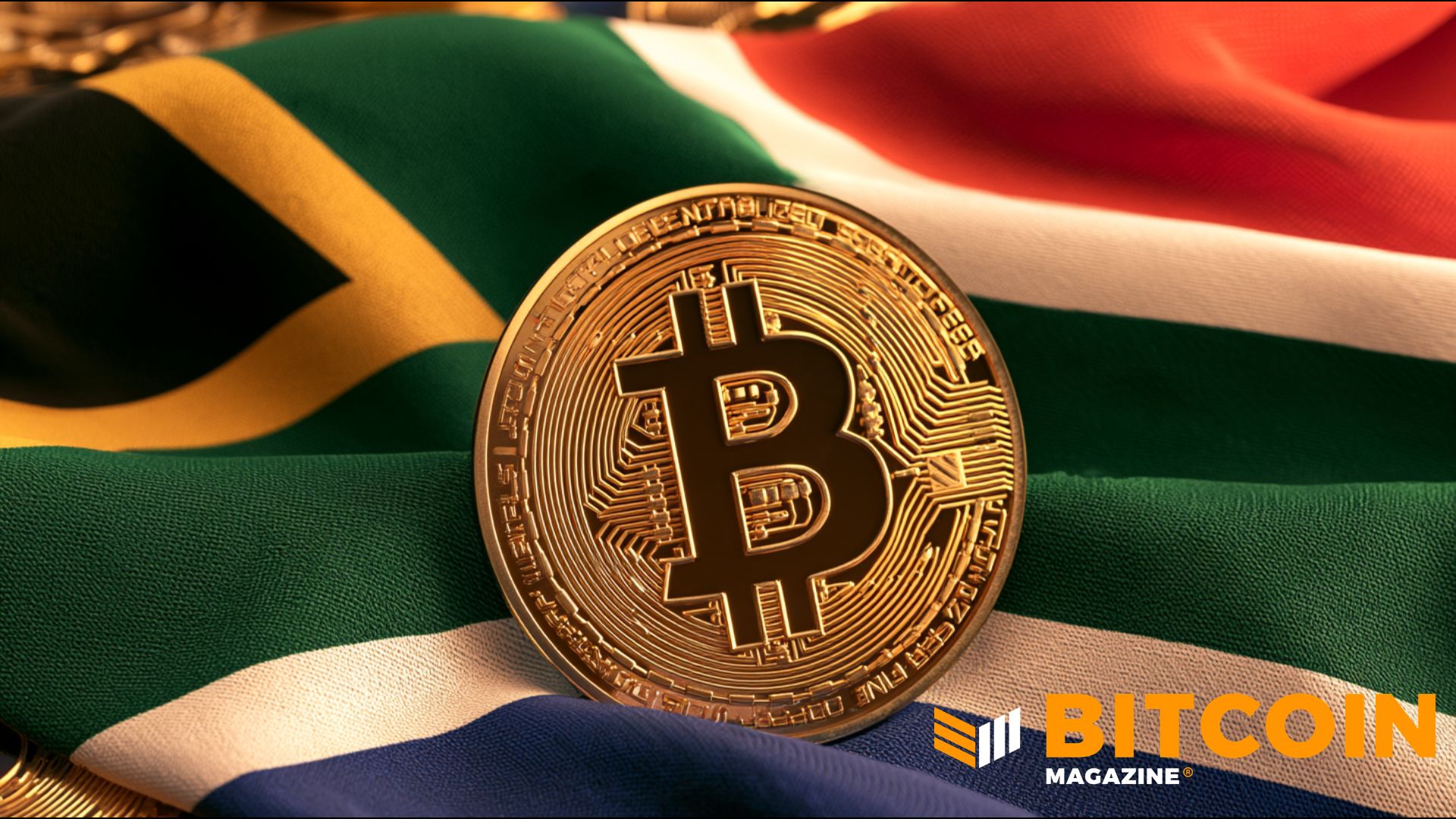
South Africa’s Absa Becomes First Bank on the Continent to Custody Bitcoin: Report
36dBitbox 02 Nova: Hardware wallet with lightning? New tutorial and breakdown.
The article offers a comprehensive tutorial and breakdown of the BitBox02 Nova hardware wallet, focusing intently on its capabilities and integration with the Bitcoin Lightning Network. It likely delves into the practical aspects of setting up and using the BitBox02 Nova for secure self-custody of Bitcoin, highlighting how its Lightning features enable faster, more efficient, and cost-effective transactions. The content probably guides users through specific steps to configure Lightning functionality, manage their Bitcoin funds directly from the hardware wallet, and strengthen their operational security and privacy practices. This resource would be valuable for Bitcoiners seeking to enhance their self-sovereignty through robust hardware wallet solutions and leverage the advanced payment capabilities of the Lightning Network.

River is forcing new terms that severely restrict account holder options
39d
Bitcoin Optech Newsletter #423 Recap Podcast
The Bitcoin Optech Newsletter #423 Recap Podcast, featuring Mark Erhardt, Gustavo Flores Echaiz, and Mike Schmidt, delved into recent Bitcoin ecosystem developments. Key discussions covered news items such as Vardiff controllers for slowing miners, Utreexo improvements for initial block download, and a new BIP draft for unspendable internal keys. Updates to services and client software included BitBoxApp's integration of Spark-based Lightning payments, the Covenants.diy script editor, and the EntropyLab offline key calculator. The podcast also highlighted the Eclair 0.14.3 release and several significant code and documentation changes across Bitcoin Core, including pull requests #35445, #36076, #36150, #36174, #34743, #36081, #35975, and BIPs pull request #2241.
"Don't collect what you can't protect" - Tabconf T shirt giveaway design #4
The article title, "Don't collect what you can't protect" - Tabconf T shirt giveaway design #4, succinctly captures a fundamental principle within the Bitcoin community: the absolute necessity of self-custody and robust personal security. Originating from Tabconf, a renowned Bitcoin-only conference, this slogan functions as a vital admonition for Bitcoin holders to assume full responsibility for the protection of their digital assets. It implicitly warns against the inherent risks associated with entrusting one's Bitcoin to third-party custodians, where the user relinquishes control over their private keys, thereby reinforcing the well-known Bitcoin maxim, "not your keys, not your coins." The context of this being a design for a T-shirt giveaway at the conference suggests a deliberate effort to propagate this foundational security principle widely amongst participants and the broader Bitcoin ecosystem. This reinforces best practices for asset protection against potential threats such as theft, loss, or seizure. Although the article content is merely listed as "Comments," the impactful title alone communicates a potent message concerning operational security and the sovereign right and responsibility to protect one's own wealth in the decentralized Bitcoin network.
Bitcoin Optech Newsletter #420 Recap Podcast
The Bitcoin Optech Newsletter #420 Recap Podcast featured discussions with Mark “Murch” Erhardt, Gustavo Flores Echaiz, and Mike Schmidt, joined by Níckolas Goline, Optout, Abubakar Sadiq Ismail, and Moonsettler. Key action items included a preparation alert for an upcoming Core Lightning (CLN) security release. News topics covered a discussion on universal opt-in replay protection, the HWI (Hardware Wallet Interface) repository transitioning into maintenance mode, and a request for comments regarding the use of block-range filters. Recent software releases highlighted BTCPay Server 2.4.3 and Eclair 0.14.2. The podcast also detailed notable code and documentation changes across several critical Bitcoin ecosystem projects. These included five specific Bitcoin Core pull requests: #34075, #35730, #35580, #35665, and #35933, signaling continuous protocol development. Additionally, significant updates were noted for various Lightning Network implementations, with Core Lightning #9374, Eclair #3342 and #3321, and LND #11008. The HWI project also saw a notable code change with #841, reflecting ongoing efforts in Bitcoin hardware wallet integration.

Wasabi Wallet - Privacy by Default
loading payment rails…