Bubbles — signal by topic
size = articles (7d) · editorials by Cayce127 articles in security — bigger & brighter = stronger signal
Phishing link posted by official COLDCARD X/Twitter account
The official X/Twitter account for COLDCARD, a prominent manufacturer of Bitcoin hardware wallets, reportedly posted a phishing link. This incident represents a significant security alert for Bitcoin users who rely on COLDCARD for self-custody or follow their official channels for updates. Such an event highlights the persistent threat of social engineering and account compromises even among trusted entities in the Bitcoin ecosystem. It underscores the critical need for users to verify all links and exercise extreme caution before interacting with any content, especially those requesting sensitive information or access to funds. The potential compromise of a major hardware wallet's communication channel can lead to widespread loss if users fall victim to the scam, thereby emphasizing the importance of robust operational security practices for both individual users and companies operating in the Bitcoin space.
NDS-Signer: a SeedSigner on a Nintendo DSi & PSBTs as phone tones and more
Attacker exploit against Second's Ark server took 0.75 BTC | SNL #245

Spy implant in Ledger hardware wallets
24d
Ledger Warns Buyers Not to Set Up Wallets From Reseller After Users Report Losses
Hardware wallet manufacturer Ledger has issued a warning to buyers, advising them against setting up wallets acquired from unauthorized resellers. This caution comes after multiple users reported that their wallets were drained of funds. Ledger is currently investigating these incidents. The article, published by Bitcoin Magazine, emphasizes the critical importance of operational security for individuals relying on hardware wallets for self-custody, urging users to purchase devices directly from official channels to prevent potential losses and ensure the safety of their Bitcoin holdings.
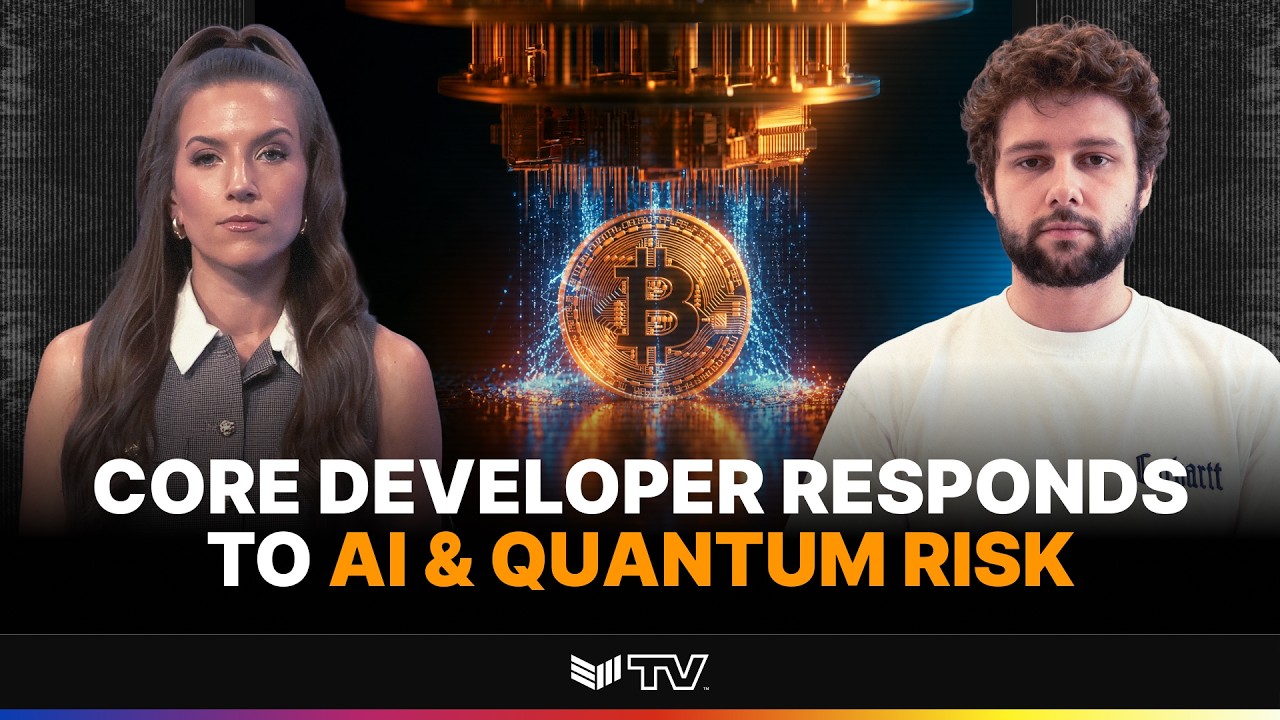
Bitcoin Core developer responds to AI & Quantum Risk
Bitcoin Core developer Antoine Poinsot from Chaincode Labs addresses concerns regarding AI and quantum computing risks to Bitcoin's security. He responds to Justin Drake's post, providing a breakdown of the quantum risk and outlining preparation strategies. The article, published in Bitcoin Magazine and written by Patrick Green, aims to clarify whether fears about AI addressing security are justified or simply 'fear-mongering'.
Someone tried to hit our Core Lightning node last night. They got a surprise.
US Government Moves $1 Billion in Bitcoin Seized From Bitfinex Hacker
The United States government executed a substantial transfer of Bitcoin, moving 12,267 BTC, valued at approximately $1 billion, from a wallet known to hold funds seized from individuals implicated in the 2016 Bitfinex hack. According to on-chain analytics data provided by Arkham, these Bitcoin funds were transferred to a new, previously unlabeled address, signifying a notable movement of a significant portion of the government's recovered digital assets.
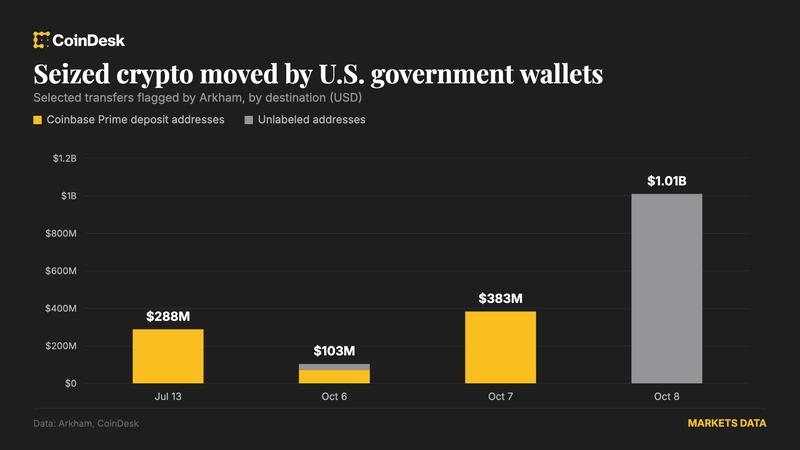
U.S. government moves $1 billion in bitcoin from Bitfinex hack wallet, no sale indicated
The U.S. government has reportedly moved approximately $1 billion worth of Bitcoin, specifically 12,267 BTC, from wallets associated with the 2016 Bitfinex exchange hack. On-chain data from Arkham indicates that these significant funds were transferred to new, unlabeled wallets, rather than directly to an exchange for sale, suggesting that an immediate liquidation is not intended. This movement occurred just a day after a separate transfer of $383 million in Bitcoin was observed reaching Coinbase Prime. The U.S. government is a major holder of seized Bitcoin, primarily from cases like the Silk Road darknet market, and these large-scale movements are closely monitored by the market for potential implications on Bitcoin's supply and price dynamics.
frost-wallet: Offline .html Bitcoin threshold wallet - olegfomenko
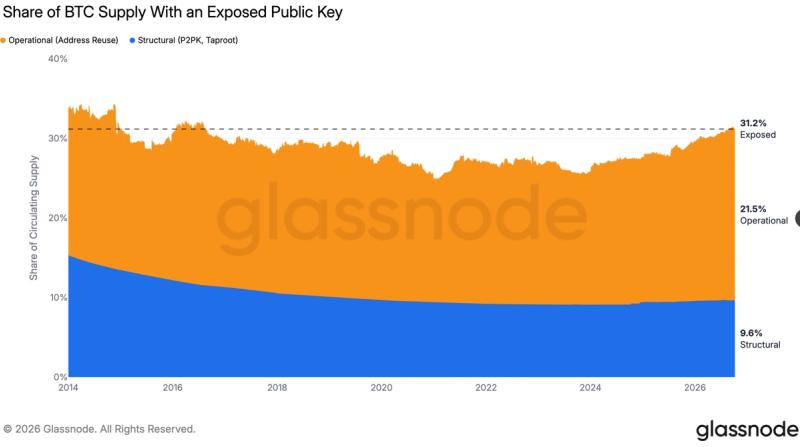
Over 6 million bitcoin sit behind exposed public keys as AI warnings mount
Glassnode co-founder's recent analysis reveals that over 6 million bitcoin are currently associated with exposed public keys, indicating a potential vulnerability within the ecosystem. This situation is further compounded by warnings from figures like Justin Drake, who emphasizes the urgent need for robust preparations against potential future attacks by advanced artificial intelligence on existing wallet cryptography. The concern is that sophisticated AI could exploit current cryptographic weaknesses, particularly those related to public key exposure, posing a significant threat to the security of substantial Bitcoin holdings.

Attacker exploit against Second's Ark server took 0.75 BTC
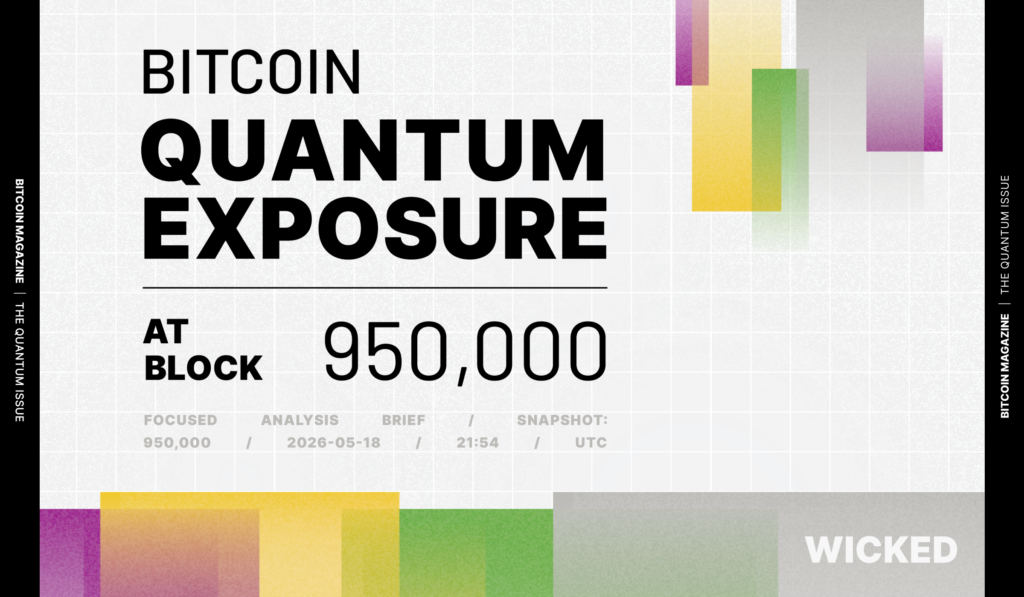
The Quantum Issue: Bitcoin Quantum Exposure at Block 950,000
This Bitcoin Magazine article, titled 'The Quantum Issue: Bitcoin Quantum Exposure at Block 950,000,' investigates the potential vulnerability of Bitcoin's supply to quantum attacks. Authored by Wicked, it promises a breakdown of the extent of this vulnerability and explores the logistical challenges associated with implementing necessary changes to address the threat posed by quantum computing.
Core Lightning v26.06.9 - fixes a vulnerability that can lead to loss of funds
The article announces a significant update for Core Lightning, version 26.06.9. This new release is crucial because it includes fixes for a vulnerability that could potentially lead to the loss of user funds. Users of Core Lightning are strongly advised to upgrade to this version promptly to ensure the security of their operations on the Bitcoin Lightning Network and protect their digital assets from the identified vulnerability.

Core Lightning Urgent security update AGAIN
The article announces an urgent security update for Core Lightning (CLN), noting it as a recurring event. While the specific details of the vulnerability are not present in the truncated content, the alert underscores the critical importance for all Core Lightning node operators to apply the latest patch immediately. Timely updates are essential to protect nodes from potential exploits, ensure the stability and security of the Lightning Network, and safeguard funds. Users should consult official Core Lightning channels for detailed information regarding the update and the steps required for their specific node setup.
BTCPay Server 2.4.5: Security Hardening and a Leaner Docker Deployment
Ecash Ecosystem Rises to Challenge in the Defense of Decentralized Custody
At Ecash Hackday Berlin, Fedimint and Cashu developers showcased a unified federation across three distinct codebases. Fedi CEO Obi Nwosu highlighted this demo as a direct solution to the software-monoculture risks he previously identified in decentralized custody, drawing lessons from past experiences with systems like Liquid and Coldcard. The article, originating from Bitcoin Magazine and penned by Obi Nwosu, emphasizes advancements in the Ecash Ecosystem to bolster decentralized custody.
Fedimint discloses a bug in Lightning gateway's LNv2 payment handling
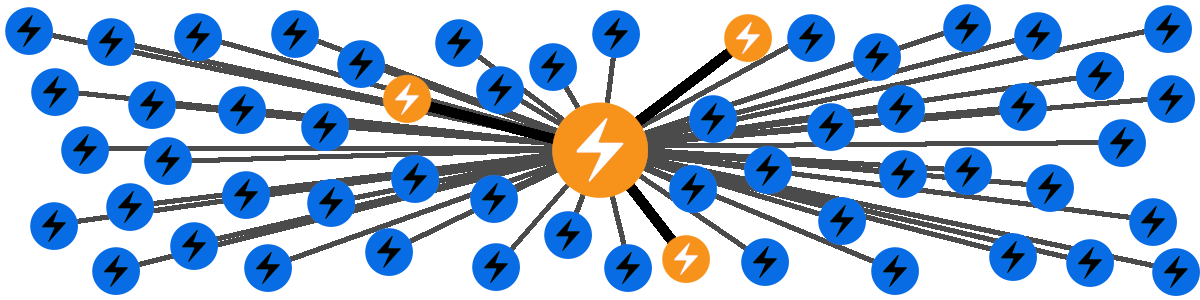
Unfunded channel flood DoS vulnerability fixed in Eclair v0.14.1
DoS: Fake Lightning Channels (2023)
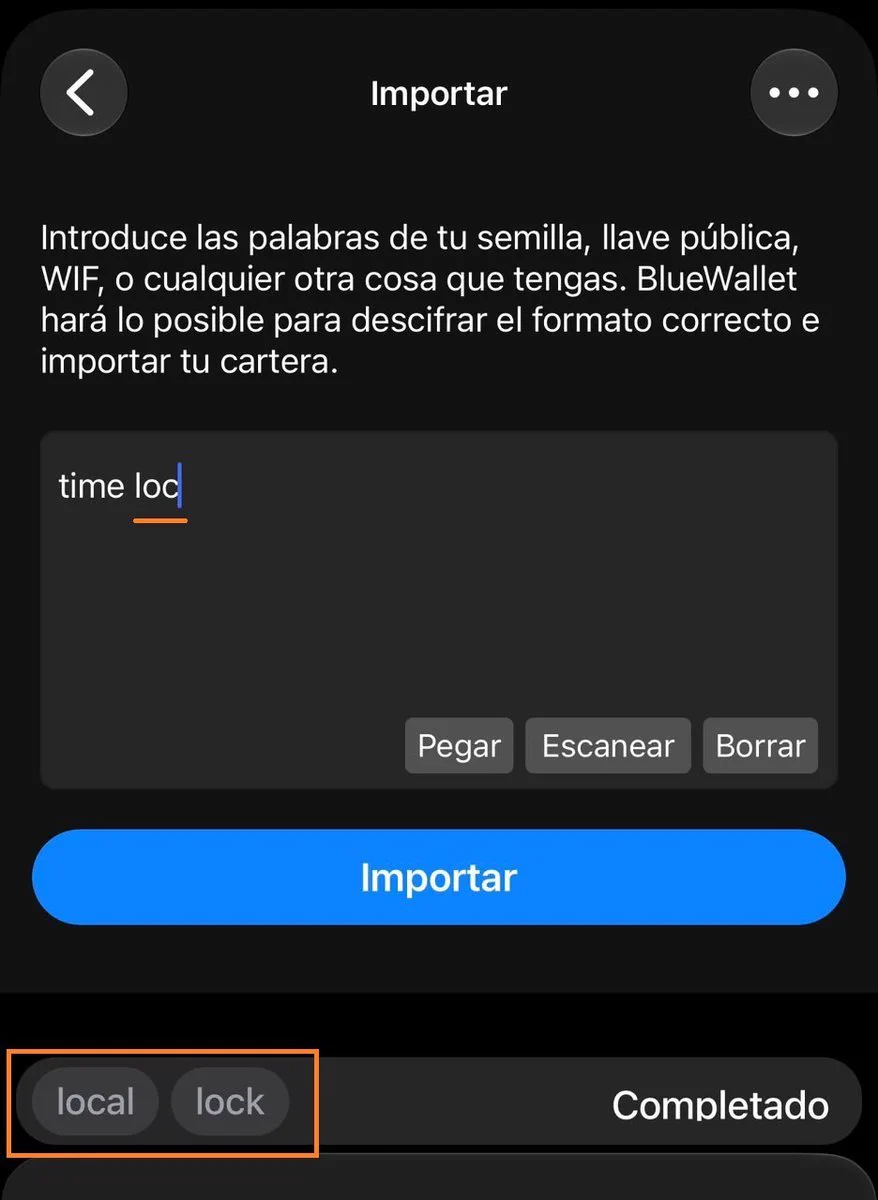
BlueWallet v8.0.2. ➜ Mejora la importación de semillas BIP39.
BlueWallet, a widely recognized non-custodial mobile wallet for Bitcoin and the Lightning Network, has announced the release of its version 8.0.2 update. The primary enhancement in this new iteration is a significant improvement to the functionality for importing BIP39 seed phrases. BIP39 is an essential industry standard that facilitates the creation and restoration of mnemonic phrases, which are human-readable representations of private keys. By enhancing the seed import process, BlueWallet aims to bolster the reliability and user experience for individuals looking to restore their wallets, transfer funds between compatible wallets, or set up new devices. This update directly contributes to strengthening the security and overall self-custody capabilities of Bitcoin users, empowering them to manage their digital assets with greater confidence and control.

Bringin Opens Euro Business Accounts for Bitcoin Companies Across 30 European Countries
Bringin has launched Euro business accounts specifically for Bitcoin companies, now accessible across 30 European countries. These accounts leverage MiCA-authorized infrastructure provided by Lightspark Payments Europe AS. A key feature is the robust security mechanism where account keys are stored within a hardware security module (HSM), ensuring that only the designated owners have the authority to initiate fund movements. This development aims to provide essential banking services tailored for the Bitcoin industry within the European market.

Bitcoin Optech Newsletter #425 Recap Podcast
The Bitcoin Optech Newsletter #425 Recap Podcast, featuring Gustavo Flores Echaiz, Brandon Black, and Matt Morehouse, provides a deep dive into recent Bitcoin and Lightning Network development updates. Key news items covered include the disclosure of two Denial-of-Service (DoS) vulnerabilities affecting the Eclair Lightning implementation and a proposal to enhance wallet label synchronization, aiming to improve user experience and privacy. Discussions around potential consensus changes explored advanced topics such as the ongoing evaluation of Post-Quantum Cryptography (PQC) output types for Bitcoin's future, proposals for block-wide signature aggregation using SNARKs for scalability and privacy, and a detailed analysis of chain length bounds in the context of BIP54 time warp fixes. The podcast also compared various covenant proposals for implementing secure Bitcoin vaults and introduced "depots" for probabilistic Lightning channels, a concept to potentially boost Lightning Network efficiency. The recap further highlighted recent releases and release candidates, specifically mentioning LND v0.21.4-beta.rc1 and LND v0.20.5-beta.rc1, signifying active development within the Lightning ecosystem. Lastly, the podcast detailed numerous notable code and documentation changes, citing several merged pull requests across critical Bitcoin infrastructure projects. This included a series of updates to Bitcoin Core (e.g., #29278, #35984, #35301, #36312, #36284, #35752, #35813), a significant update to BIPs (#2276), as well as important contributions to the Lightning Development Kit (LDK #4993) and the Lightning Network Daemon (LND #11173, #11190). These updates collectively underscore the continuous, rigorous development efforts within the Bitcoin protocol and its scaling layers.

Quantum Isn't Coming For Your Bitcoin
loading payment rails…