Bubbles — signal by topic
size = articles (7d) · editorials by Cayce120 articles in custody — bigger & brighter = stronger signal

Trezor + passphrase. Te recomiendo escribirla en la pantalla del dispositivo.
RIP Hardware Wallets: World's 1st Live SHA256 Self-Audit Cold Wallet on iPhone
1dWhere to hold BTC long-term? Privacy vs. Fees in the L2 era

Bitcoin Fixes This? Paraguay President Resigns After Bank Lockout Hits 60% of Country
The financial crisis in Paraguay, caused by the collapse of Ueno bank, resulted in millions of depositors losing access to their funds. This significant event triggered the resignation of the country's president and has brought renewed attention to Bitcoin's fundamental argument for self-custody, emphasizing its role as a censorship-resistant and sovereign alternative to traditional banking systems prone to failure and lockouts.
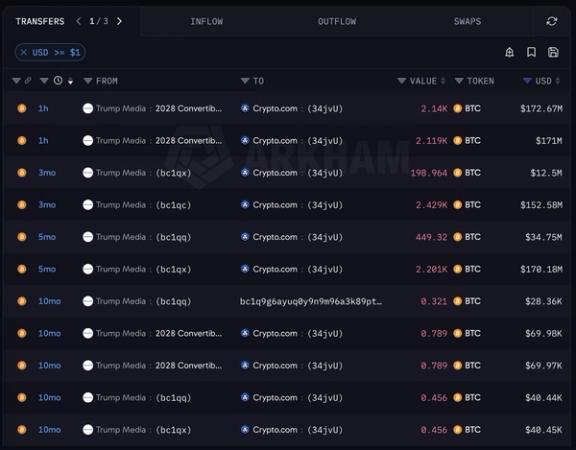
Trump Media moves $342 million in bitcoin to Crypto.com, blockchain data show
3d
Nueva versión de Liana Wallet 16.0
Brazil's Biggest Bitcoin Exchange Says It Will Refund Users After a $40 Million Hack
4d
Liquid Network restores full bitcoin backing following $320 million exploit
The Liquid Network has confirmed that its bitcoin reserves have been fully re-established following a significant $320 million exploit that occurred in September. The necessary funds to restore the complete backing of bitcoin assets on the network were provided by Blockstream, a prominent company closely associated with the Liquid Network's development and operation. This restoration indicates the resolution of the security incident and ensures the continued solvency and integrity of the Bitcoin-backed sidechain.

Tether holds 150,000 bitcoin worth $11.5 billion, CEO Paolo Ardoino says
4d
Seed Phrase Storage Mistakes Beginners Make
Seed phrases are crucial for recovering access to Bitcoin funds in self-custody, yet beginners frequently make storage errors that jeopardize their assets. Common pitfalls include storing seed phrases in insecure digital formats like cloud services or emails, leaving them vulnerable to cyberattacks. Physical storage mistakes range from using easily accessible notebooks or sticky notes to neglecting redundant backups. A lack of consideration for natural disasters or theft further compounds these risks. Best practices emphasize secure, offline, and durable physical storage across multiple geographically diverse locations, often utilizing metal plates or encrypted vaults. Understanding these mistakes and implementing robust storage solutions is paramount for Bitcoiners to maintain sovereignty and prevent irreversible loss of their holdings, ensuring long-term security.

Binance taps half its SAFU Bitcoin holdings, releases reserve proof
The article reports that Binance has significantly reduced the Bitcoin holdings in its Secure Asset Fund for Users (SAFU) wallet. Following a transfer of approximately 7,499 BTC related to a past hack, the SAFU wallet now holds around 7,500 BTC. This move indicates that a substantial portion—roughly half—of the fund's Bitcoin assets has been utilized or moved in connection with addressing the aftermath of the security breach. The article highlights that there is currently no disclosed timeline for when the SAFU fund, originally valued at $1 billion, will be fully replenished or restored to its original capacity. This event prompts questions about the ongoing liquidity and solvency measures of the exchange, particularly concerning its ability to cover potential future losses for users, despite releasing reserve proof.
BTCPay Server Urges Shutdown After Reports of Hot-Wallet Sweeps | The Defiant
BTCPay Server, a leading open-source Bitcoin payment processor, has issued a critical security advisory urging its users to immediately shut down their servers. The urgent recommendation follows confirmed reports of "hot-wallet sweeps," indicating an active exploit or vulnerability allowing unauthorized transfers of funds from BTCPay Server instances. This alert directly impacts businesses and individuals who rely on the platform to accept Bitcoin and manage their transactions. While the full extent and technical details of the vulnerability are under investigation, the immediate advice underscores a significant threat to hot wallets connected to the affected servers. Users are strongly advised to comply with the shutdown directive, move any accessible funds to secure cold storage solutions, and diligently monitor official BTCPay Server communication channels for further updates, patches, and specific remediation steps before reactivating their services. This incident highlights the ongoing importance of robust operational security practices within the self-hosted Bitcoin ecosystem.
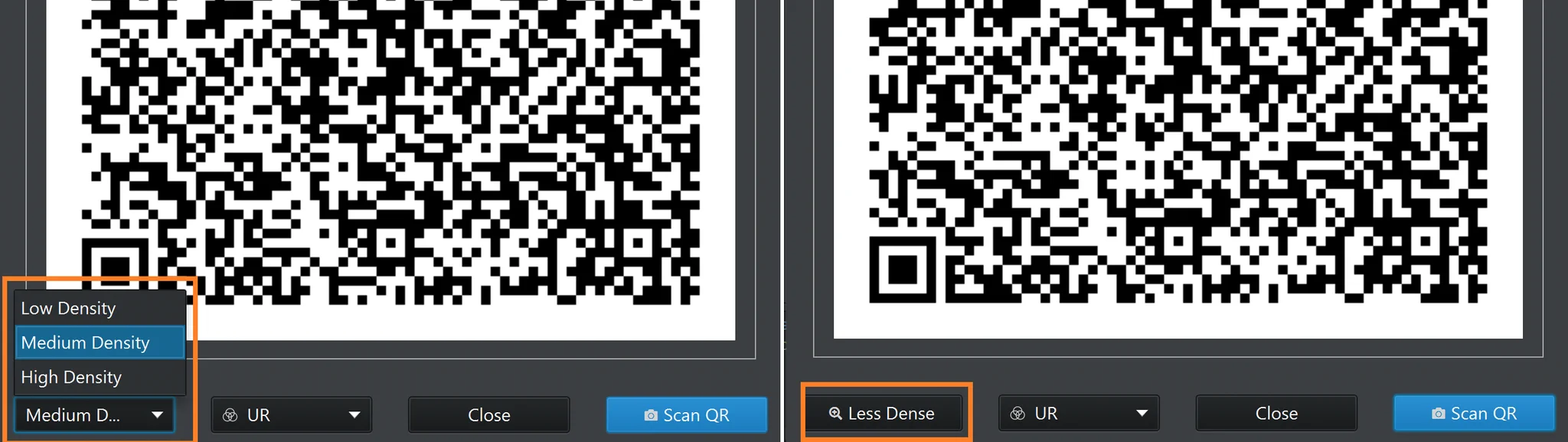
Sparrow Wallet 2.5.6 ➜ Mejoras en códigos QR
The article, though truncated, announces the release of Sparrow Wallet version 2.5.6. This update specifically focuses on "Mejoras en códigos QR," or improvements to QR codes. These enhancements likely aim to improve the user experience when scanning or displaying Bitcoin addresses, partially signed Bitcoin transactions (PSBTs), or other relevant transaction data. As Sparrow Wallet is a popular desktop application for advanced Bitcoin users, known for its robust features for privacy, security, and hardware wallet integration, updates to its interface components like QR codes are significant for usability and operational security. Such improvements could involve better scanning accuracy, support for new QR code formats, or enhanced visual clarity, ultimately streamlining the process of sending and receiving Bitcoin or signing complex transactions.

A Nasdaq-listed company may sell $450 million bitcoin, citing Binance hack and quantum fears
Nasdaq-listed Next Technology Holding is contemplating the sale or loan of a significant portion of its Bitcoin treasury, specifically 5,833 BTC, which is valued at approximately $450 million. The company's authorization for these potential transactions stems from an evaluation of critical risks within the broader cryptocurrency landscape. Key factors influencing their decision include generalized concerns about exchange security, specifically referencing incidents like the Binance hack. Additionally, the company cited long-term, theoretical risks posed by quantum computing as another reason for reassessing their Bitcoin holdings strategy. Next Technology Holding clarified that despite citing the Binance hack as an example of exchange vulnerabilities, none of its substantial Bitcoin reserves are, or were, held on Binance.
Frog put the keys in the HSM "There" he said "now we cannot leak the private key
There's a lack of good Lightning wallets

$8 Million Crypto Kidnapping Lands Texas Brothers 15-Year Prison Terms
8dBitcoin Beginners Newsletter #122
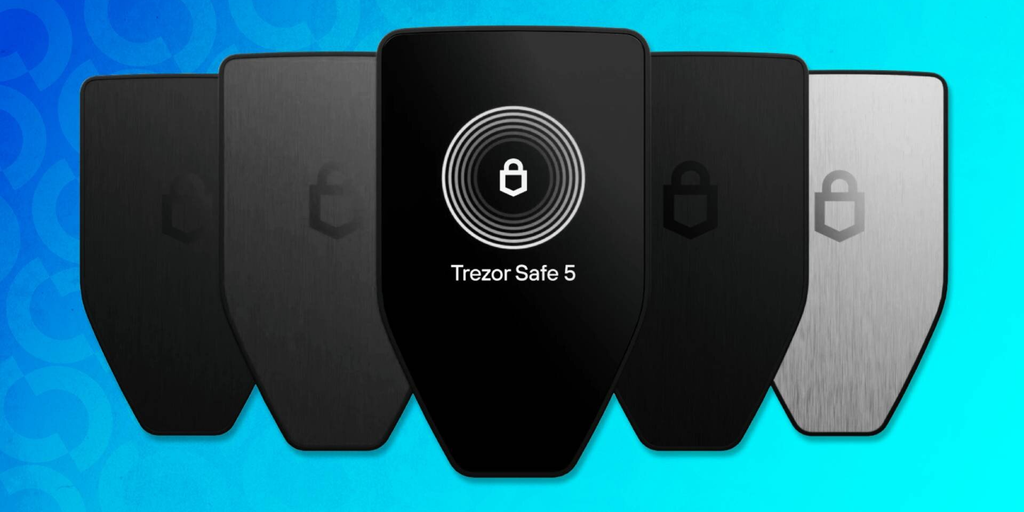
Trezor Warns CryptoBilis Buyers After Report of Hardware Implant in Safe 5
Hardware wallet manufacturer Trezor has issued a warning to buyers of its CryptoBilis Safe 5 after a report surfaced alleging a hardware implant in one of the devices. Although Trezor has not yet physically examined the reported device, the company considers the claim credible and has urged all users who purchased a CryptoBilis Safe 5 to immediately move their funds to a secure location to prevent potential compromise.
Trezor warns CryptoBilis buyers to move funds over suspected implant
9d
Trezor reports suspected hardware implant in Safe 5 sold by CryptoBilis
Trezor has issued an urgent advisory for customers who purchased a Safe 5 hardware wallet from the vendor CryptoBilis, following a credible report of a suspected hardware implant. The company strongly recommends that all CryptoBilis buyers immediately migrate any funds stored on these devices to a new, secure wallet. This measure is crucial to protect assets from potential compromise due to the detected implant.
[Trezor Incident Update] Implant reported in a Trezor sold by CryptoBilis
Binance hacker splits $1.4 billion of bitcoin into 19 wallets that no one can freeze
A hacker implicated in the Binance security breach has moved and split a substantial sum of Bitcoin, approximately $1.4 billion, which amounts to 18,270 BTC. These funds have been distributed into 19 distinct wallets. A detailed blockchain analysis conducted by CoinDesk reveals that 17 of these wallets individually hold exactly 1,000 BTC each. The article highlights that these assets remain beyond the reach of any external freezing attempts, underscoring Bitcoin's inherent censorship-resistant property. As of the time of the report, these divided coins have not undergone any further movement since Thursday night, indicating a period of dormancy in the hacker's activity following the initial distribution.
CoinOS v3 - FIFO for coins to help with expiring.
loading payment rails…